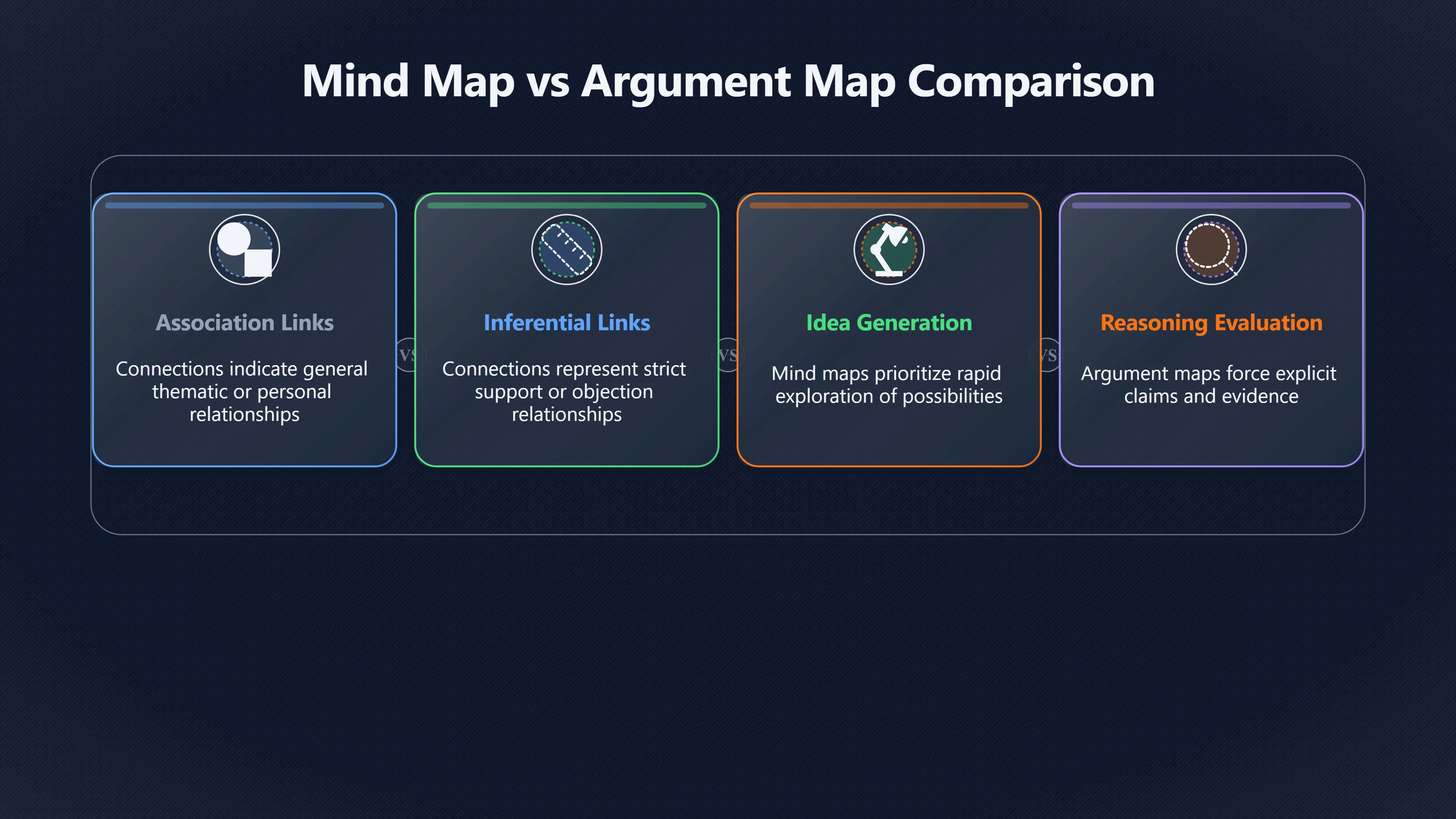
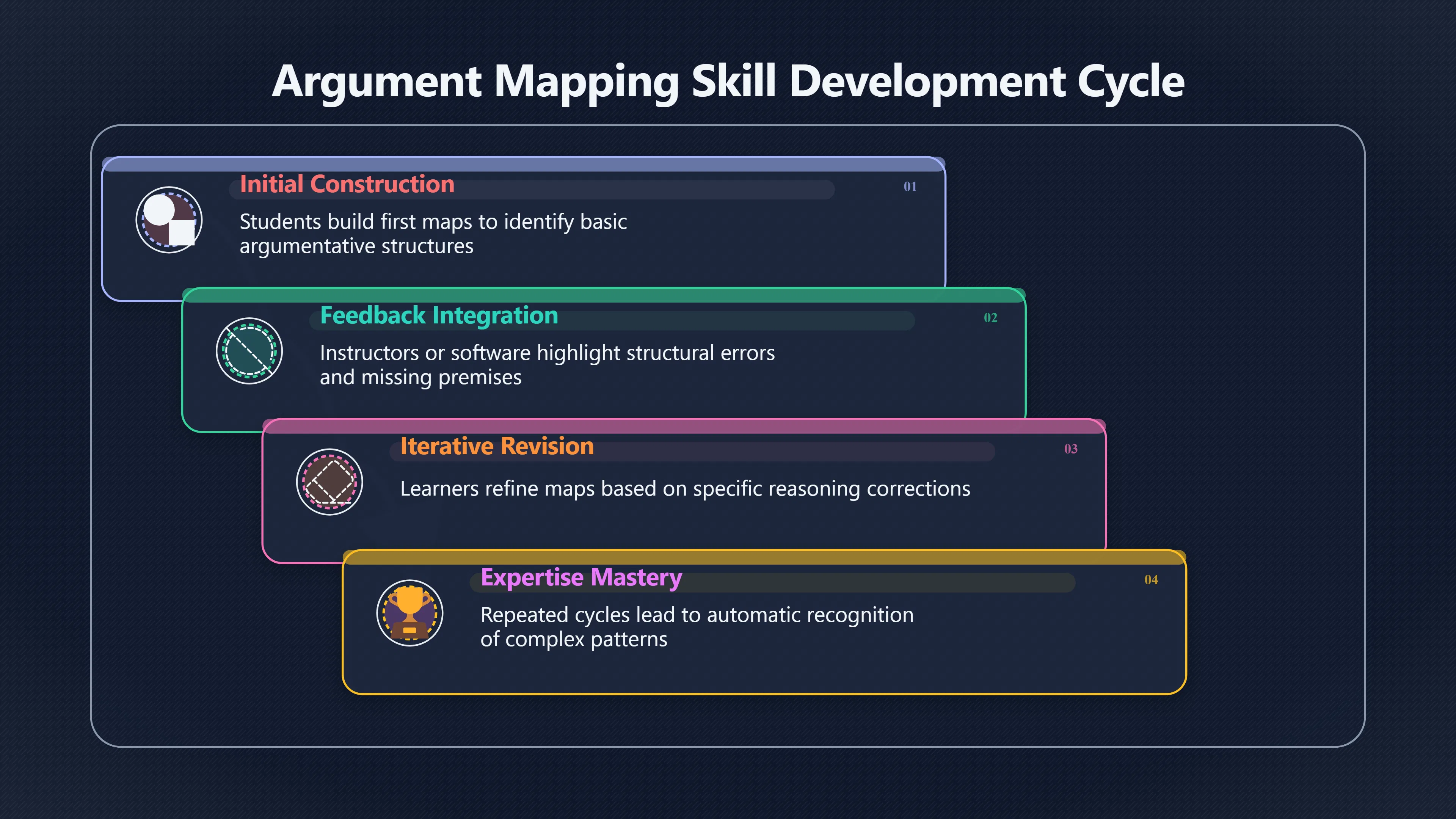
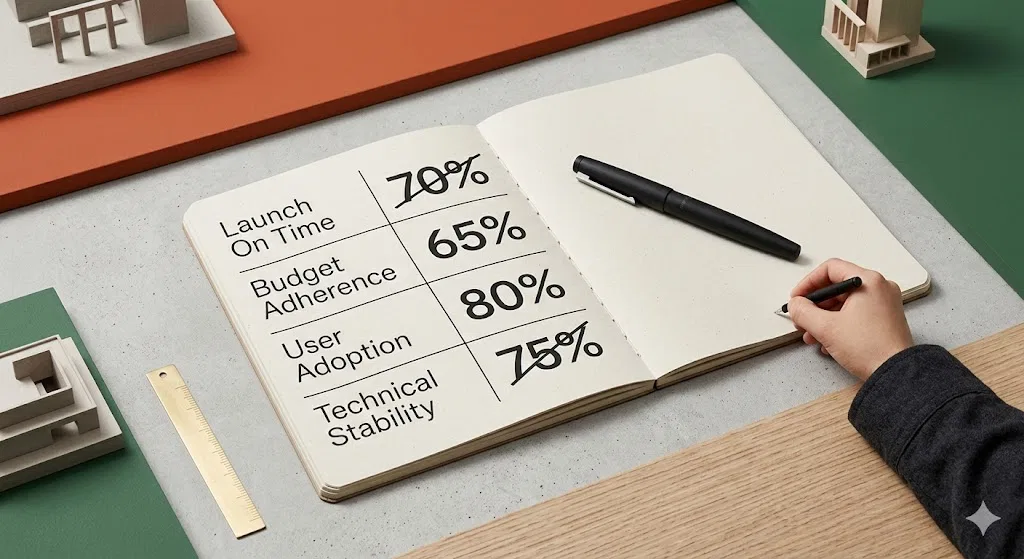
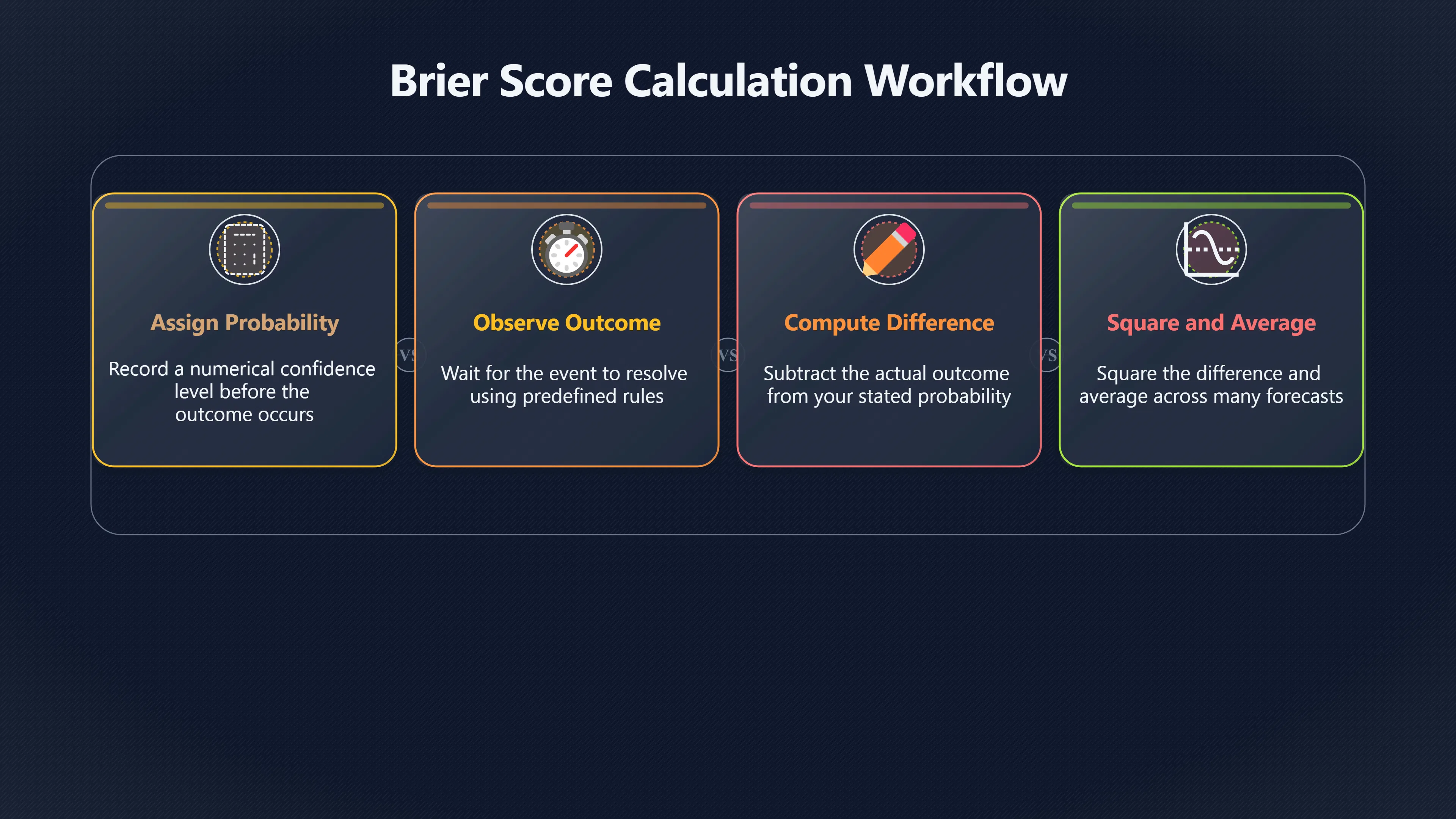

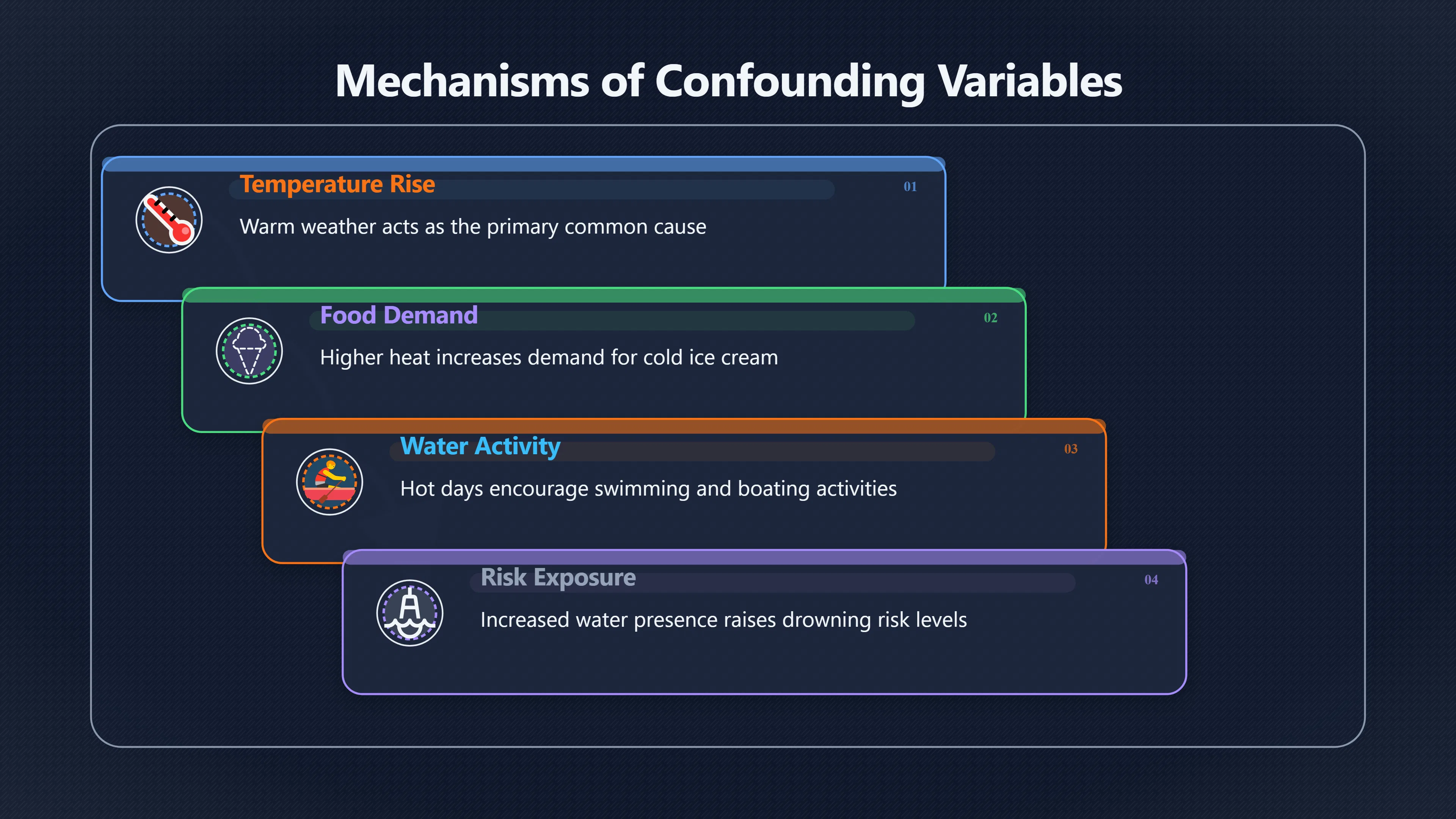
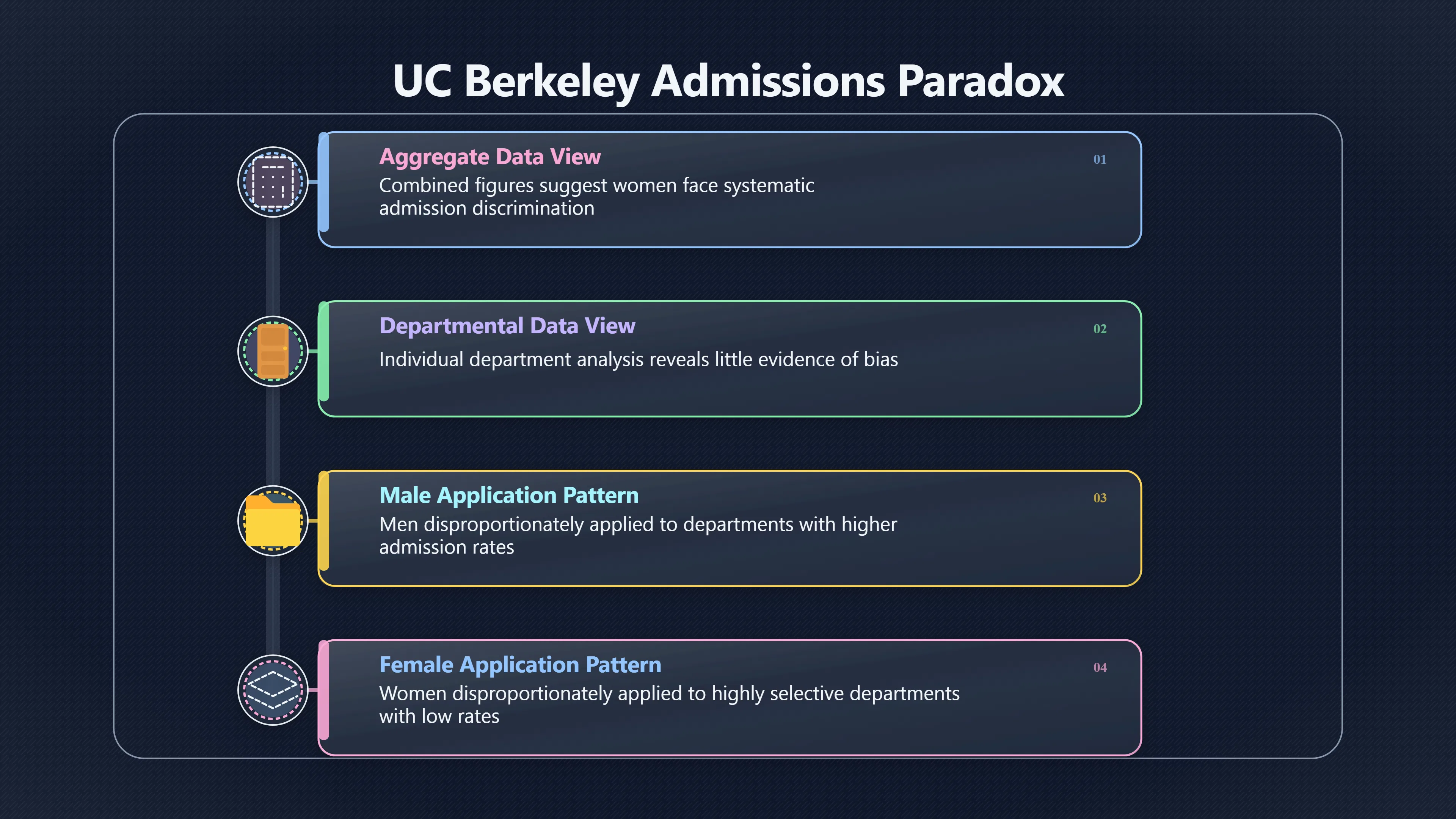
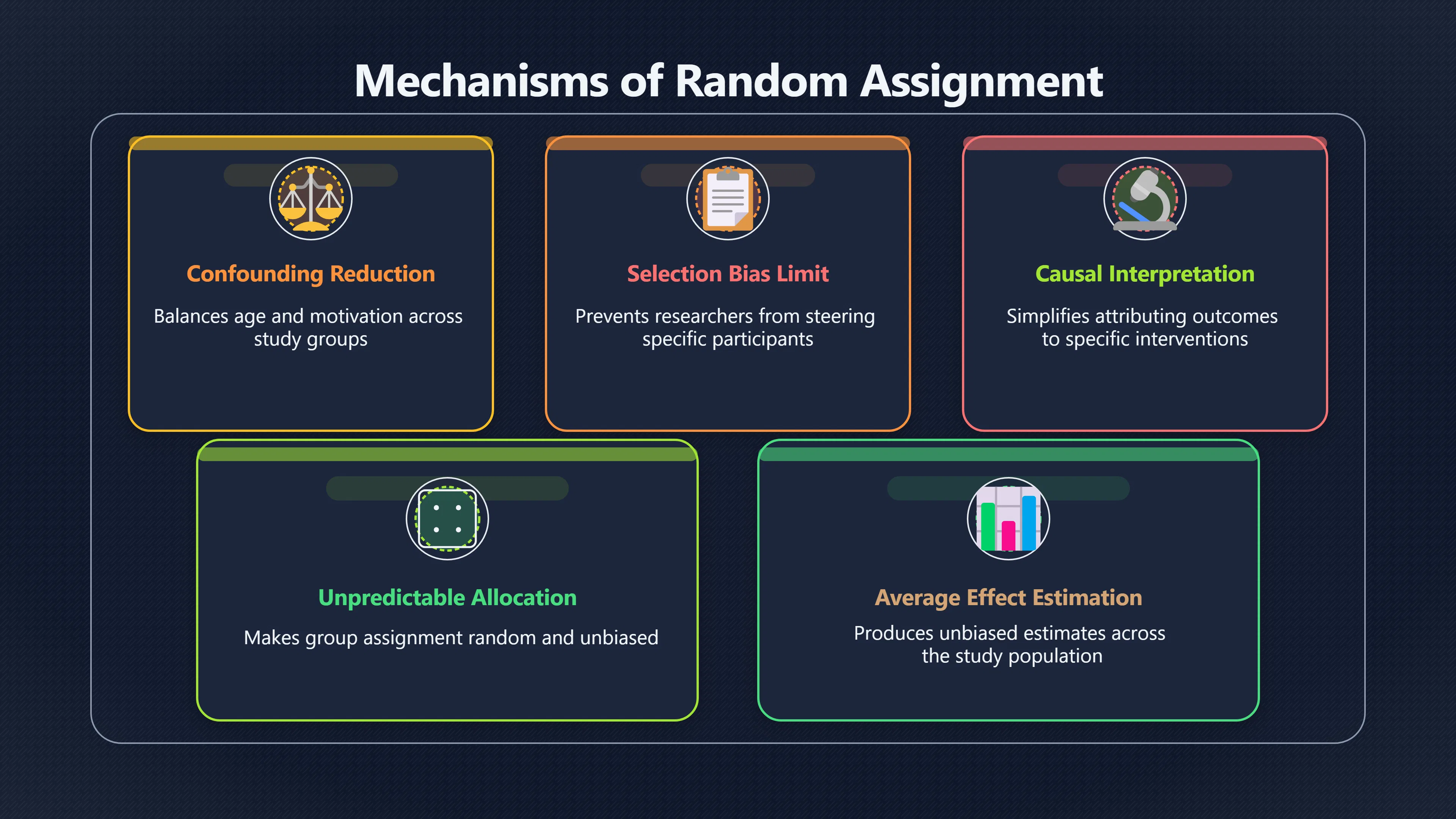

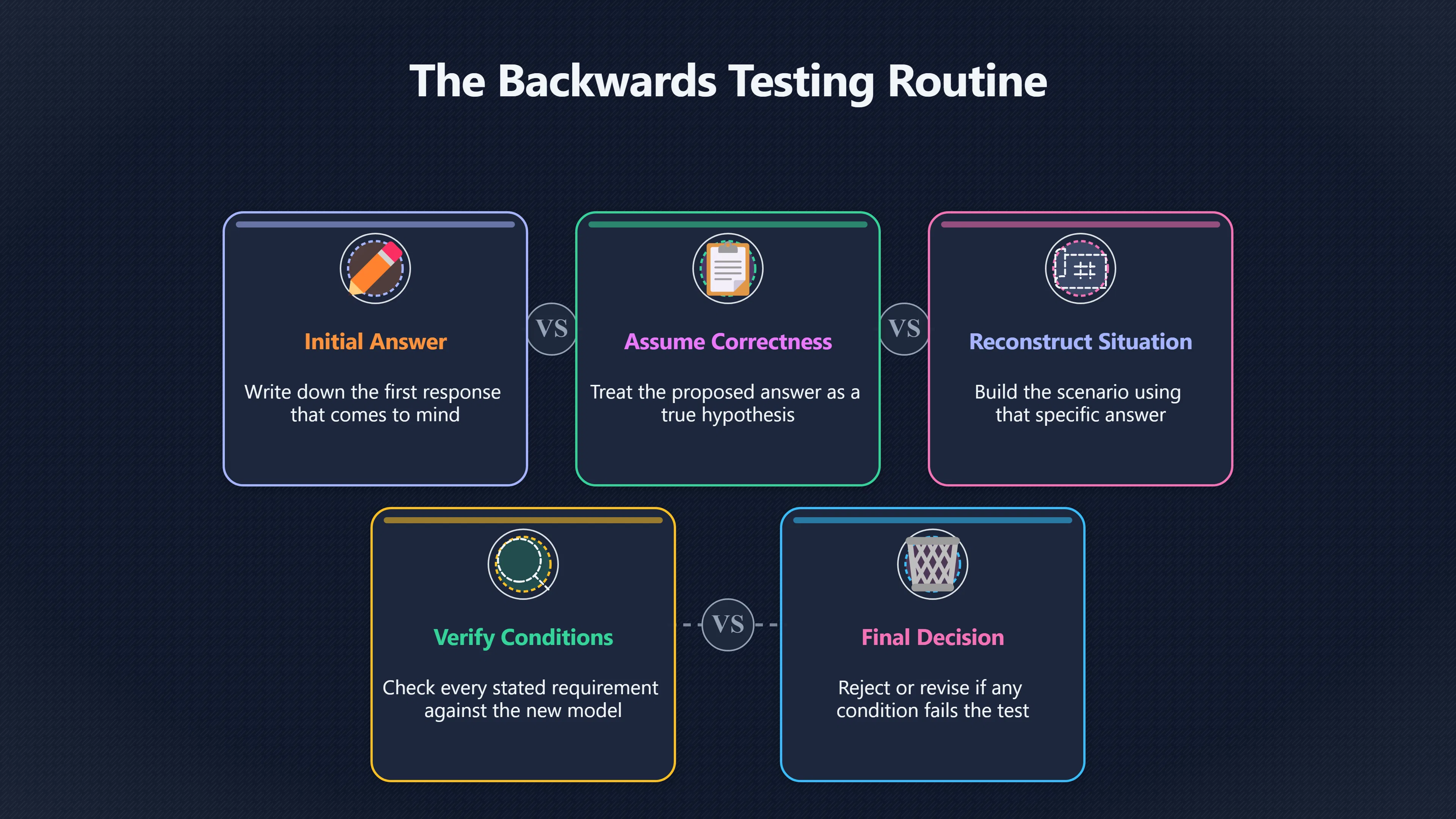
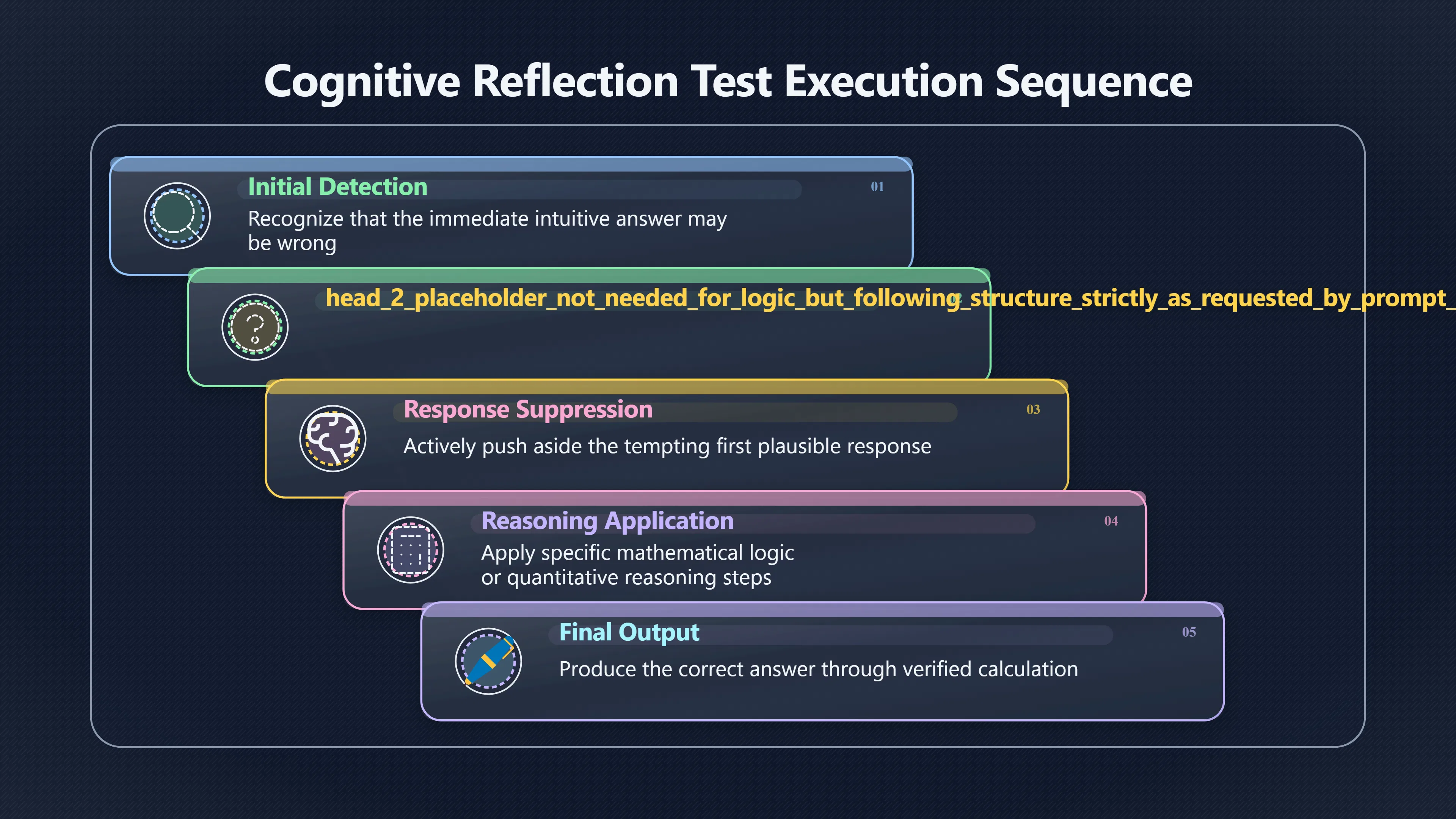
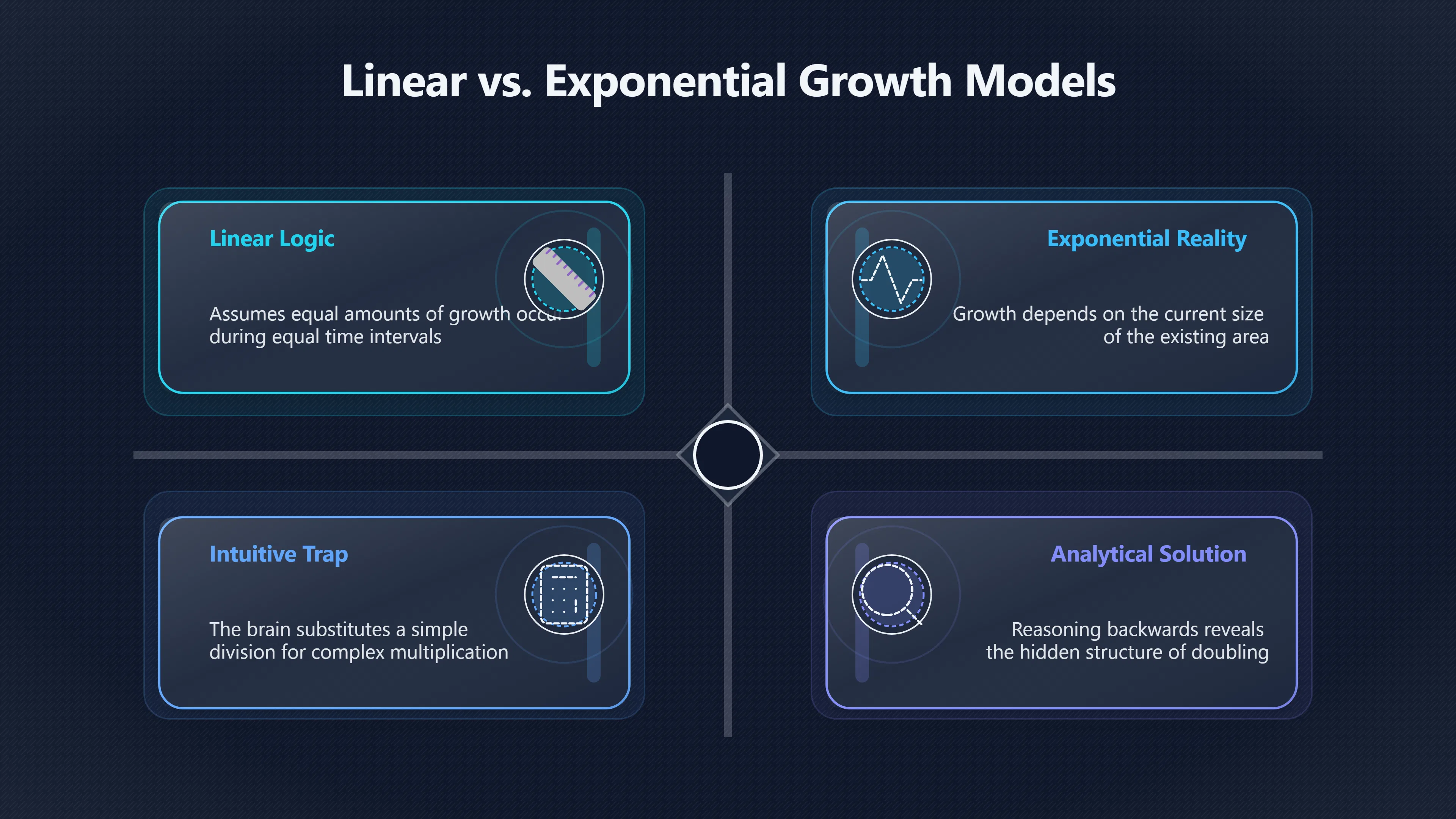
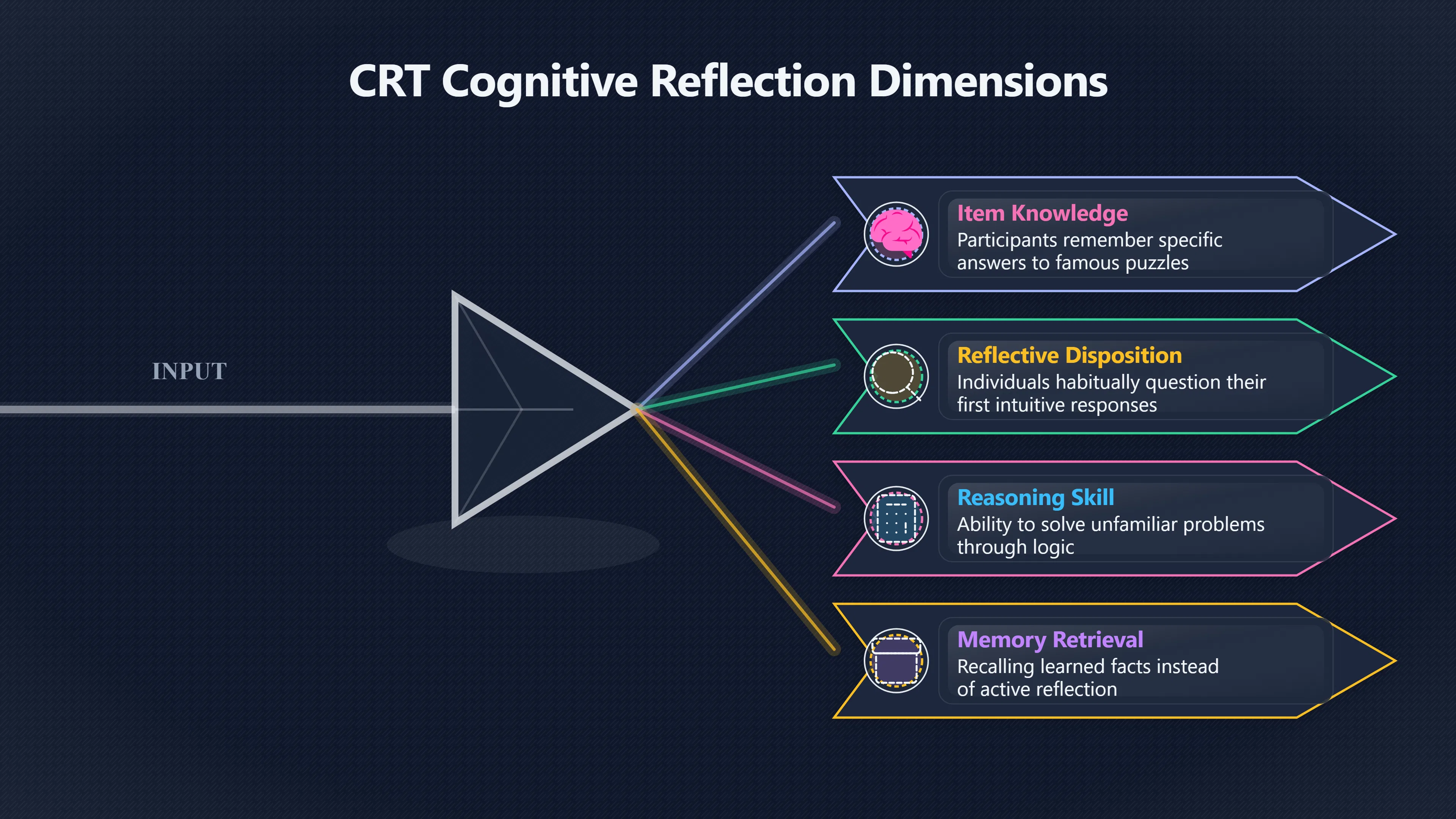
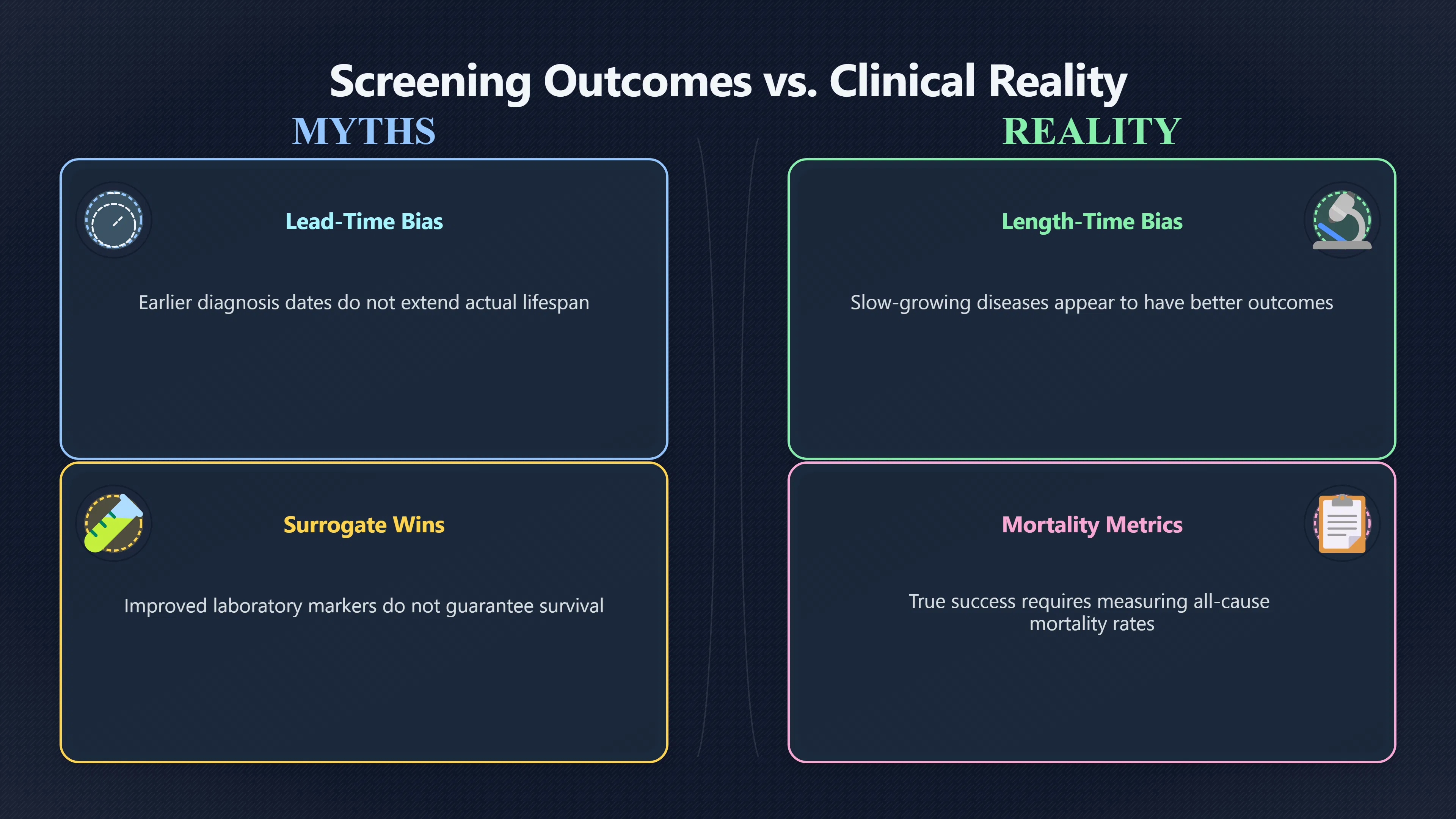
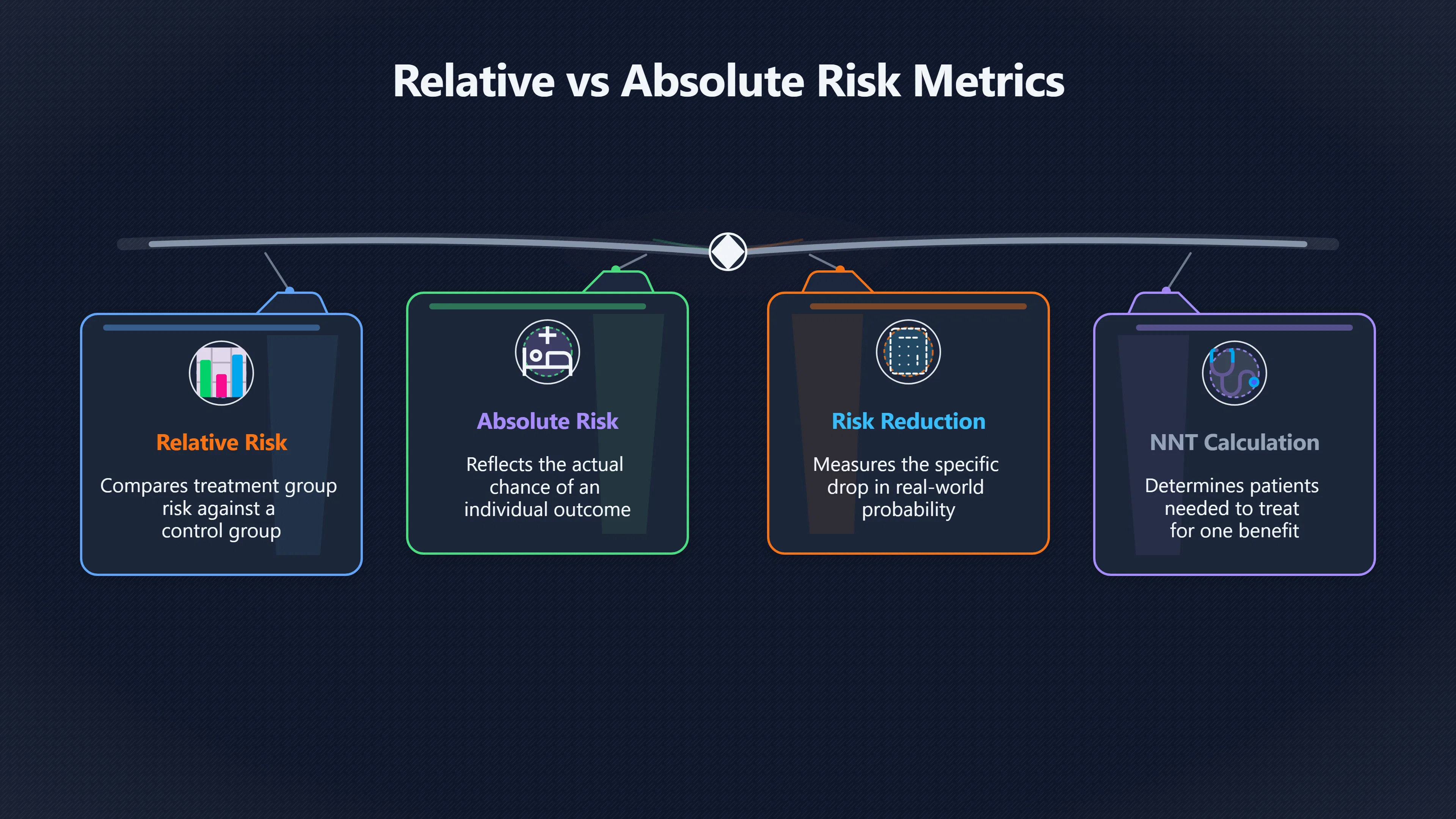
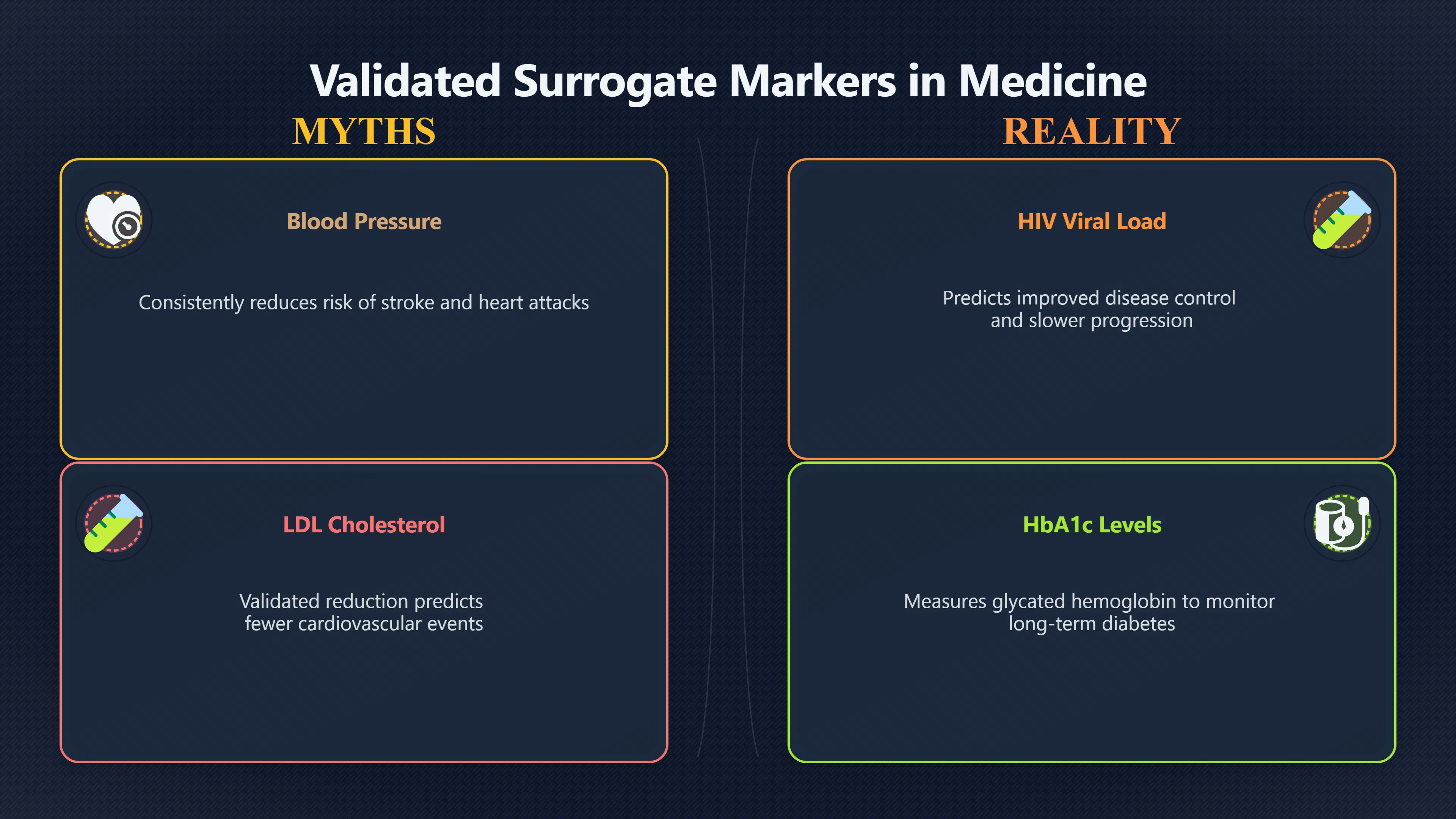
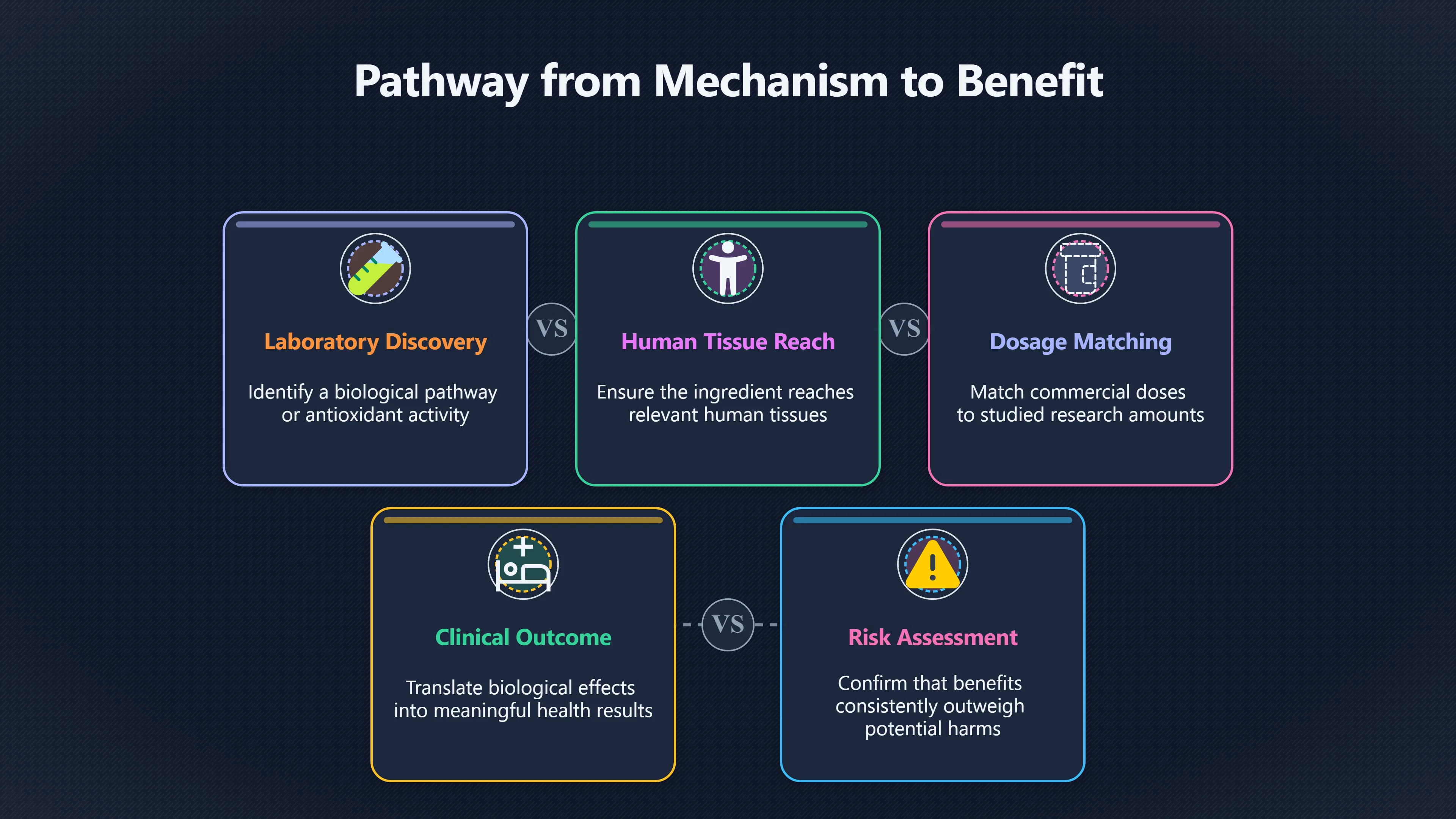
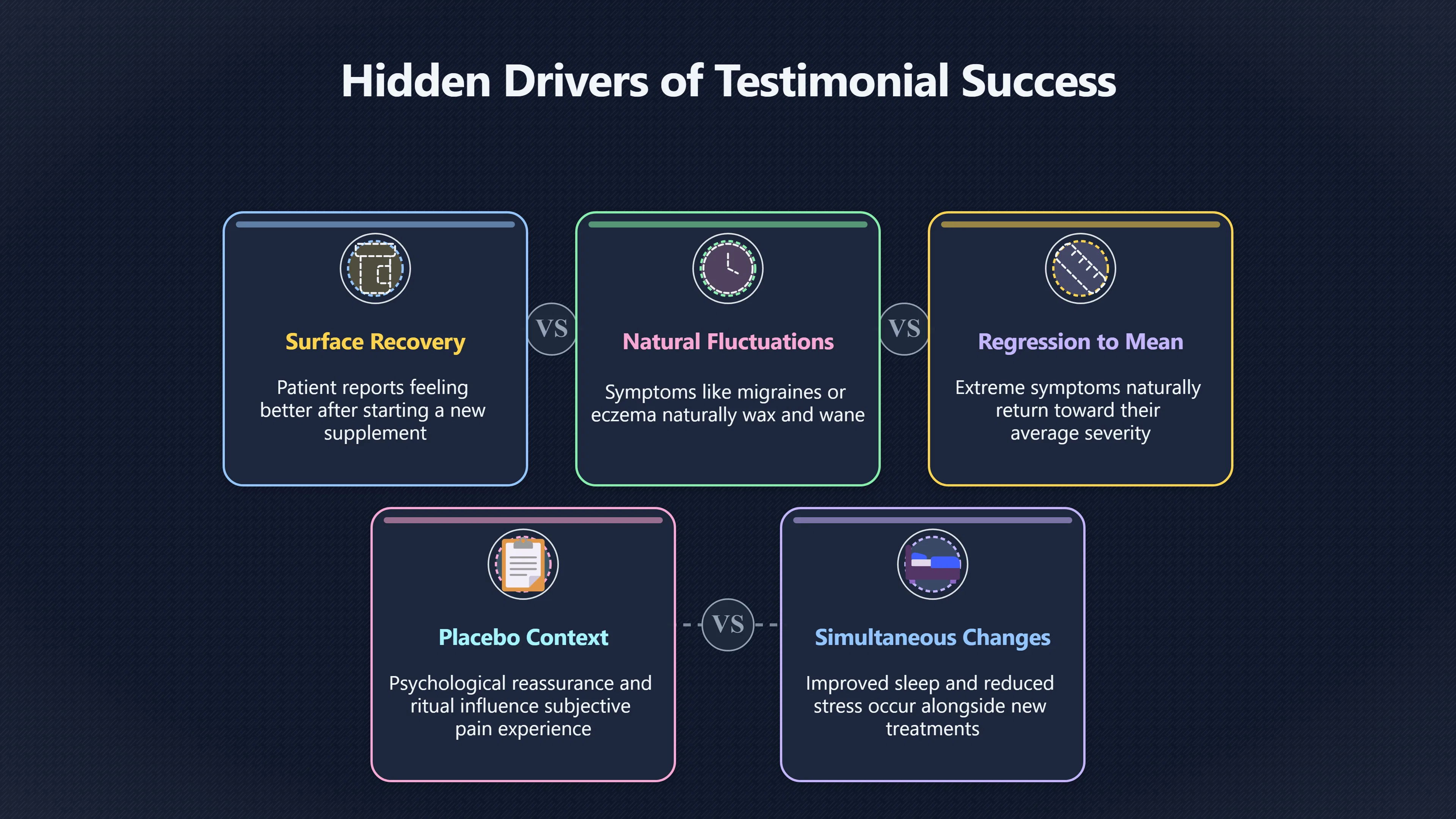
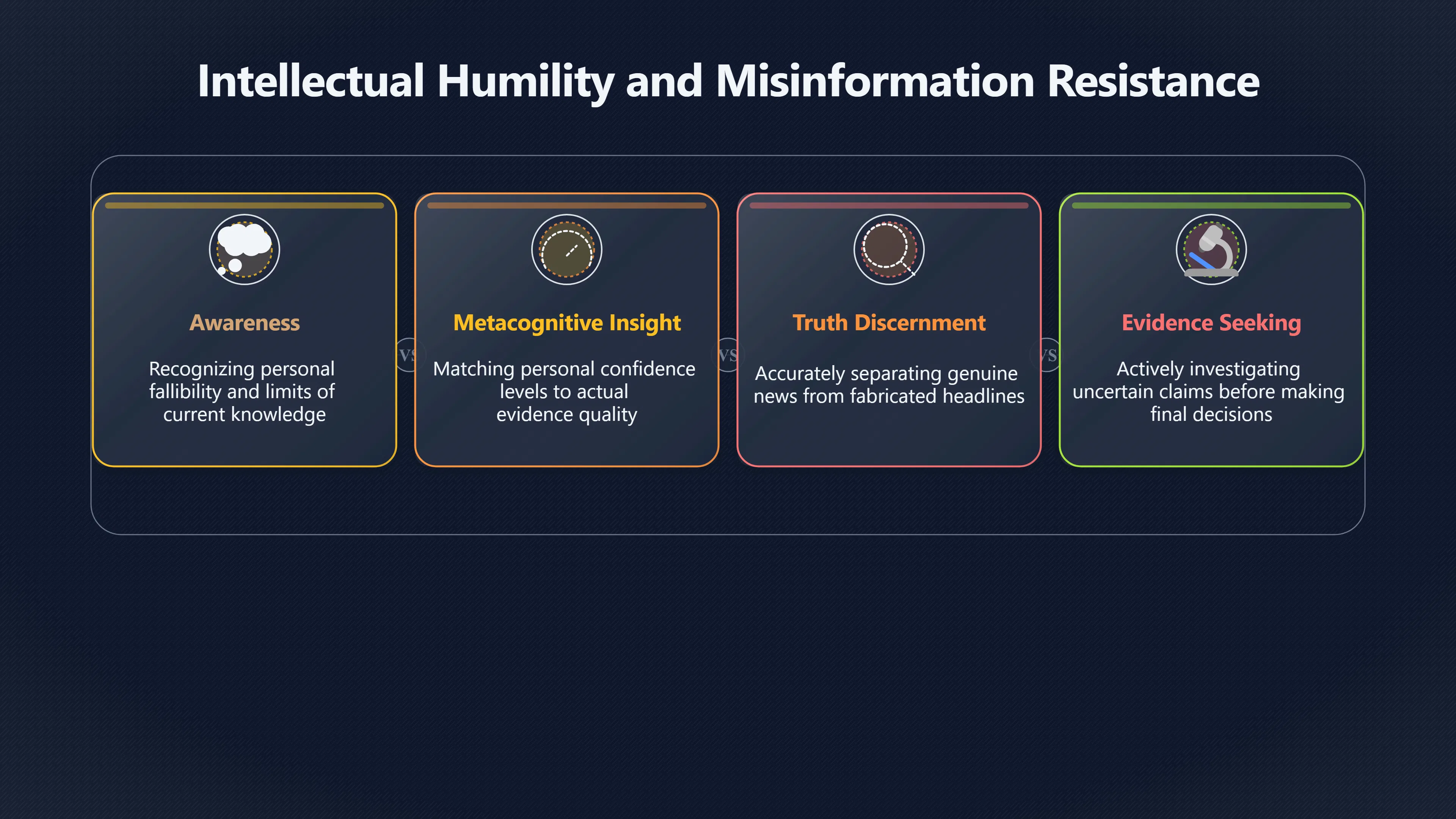
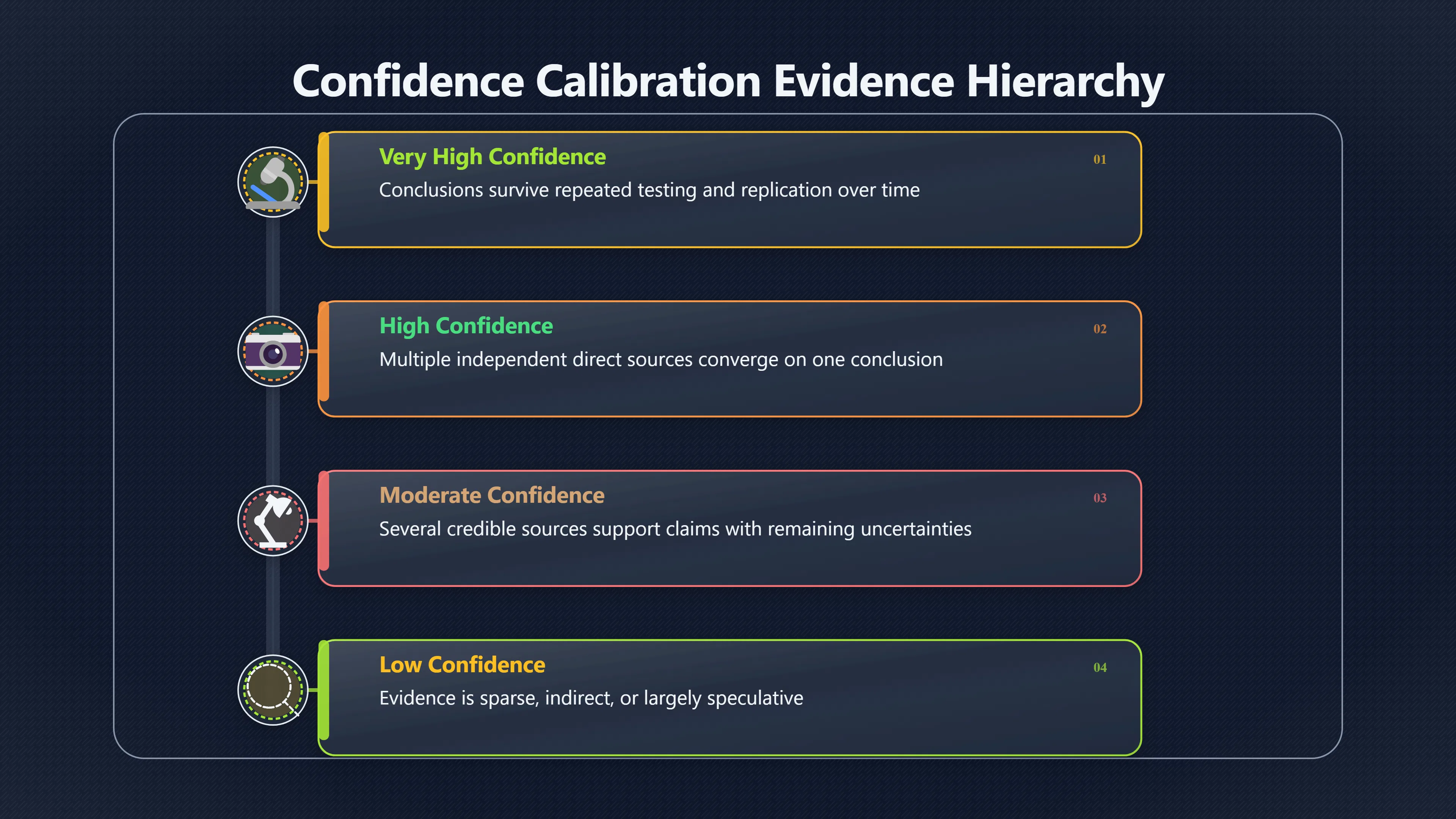

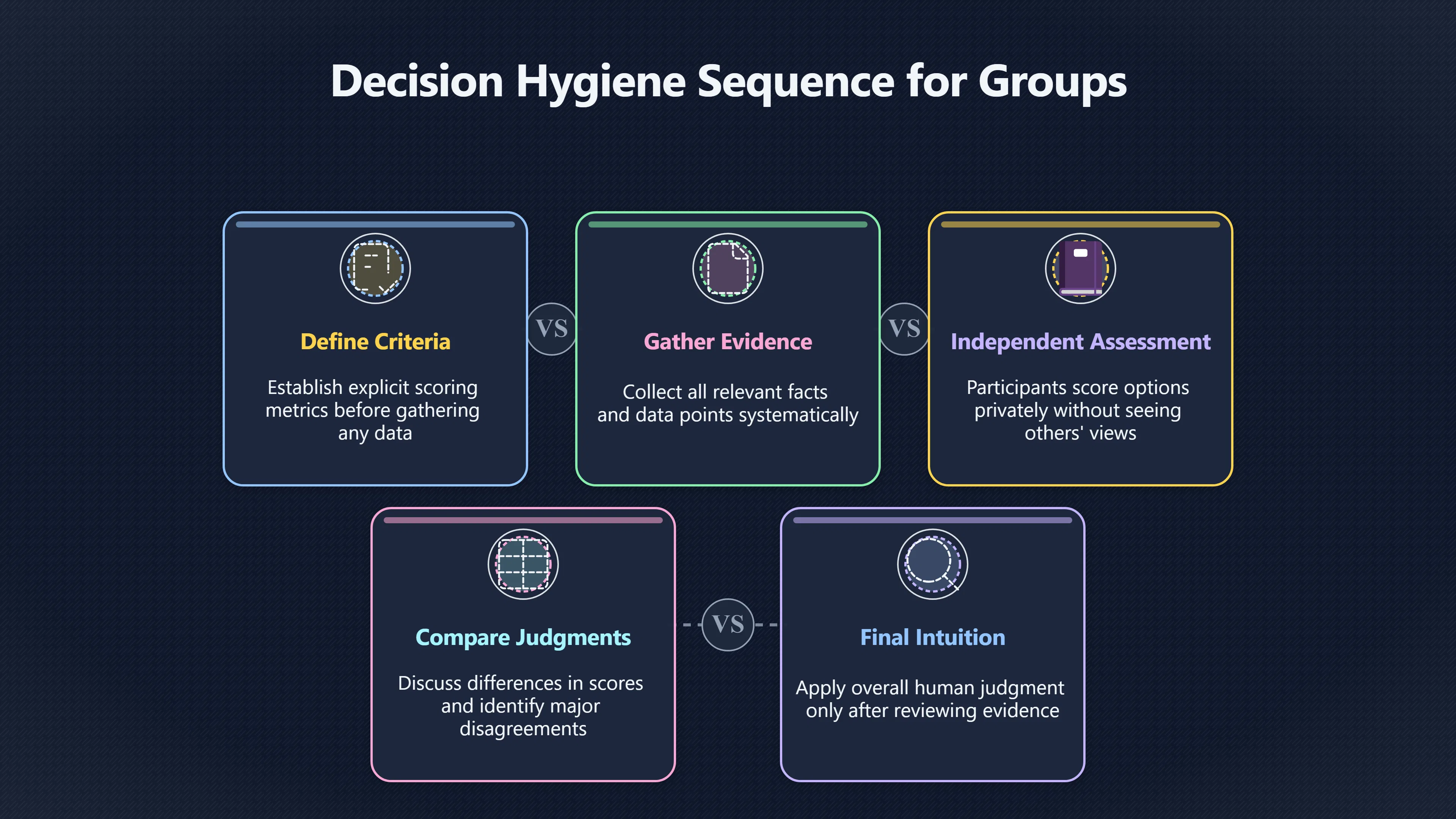
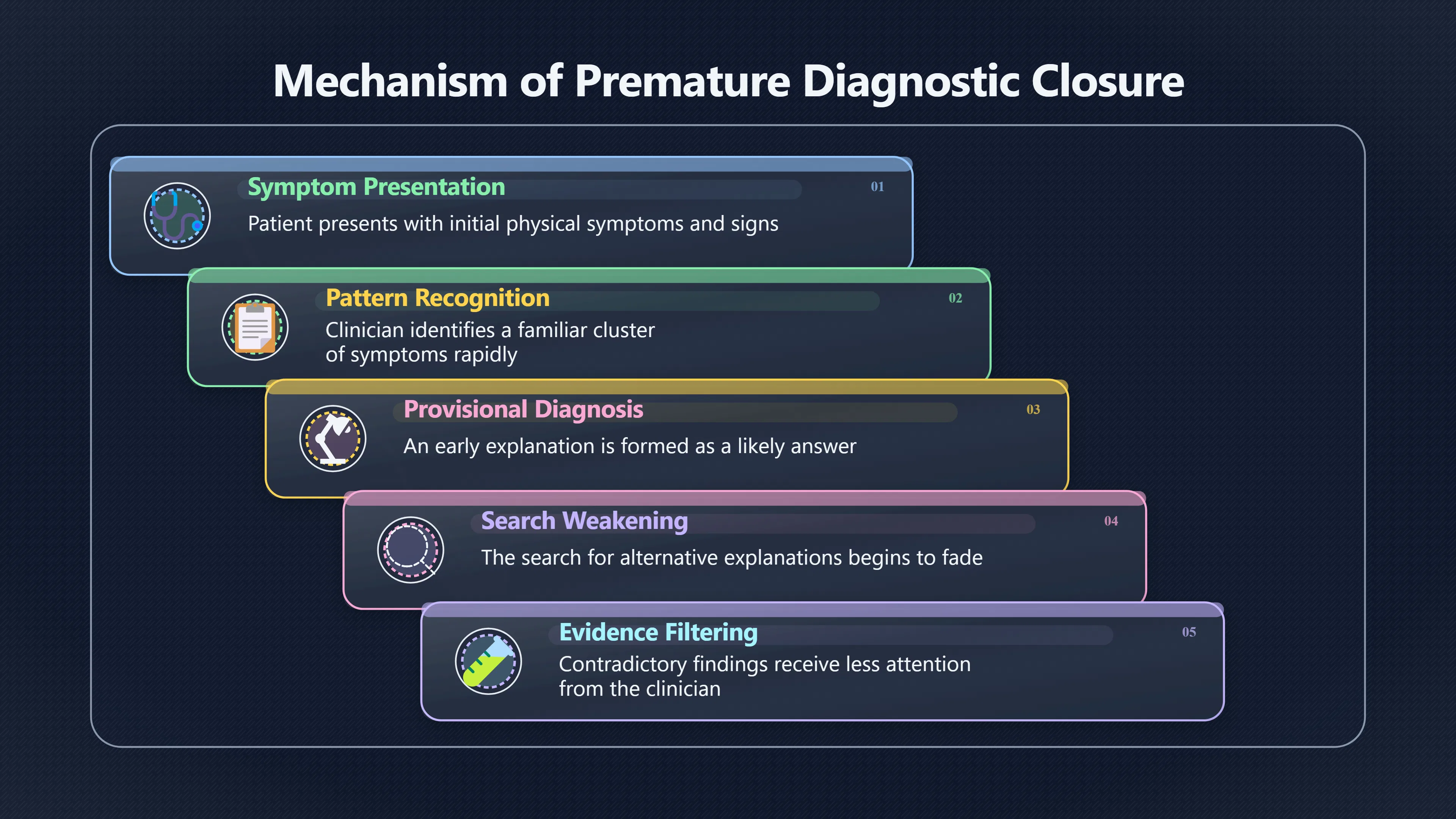
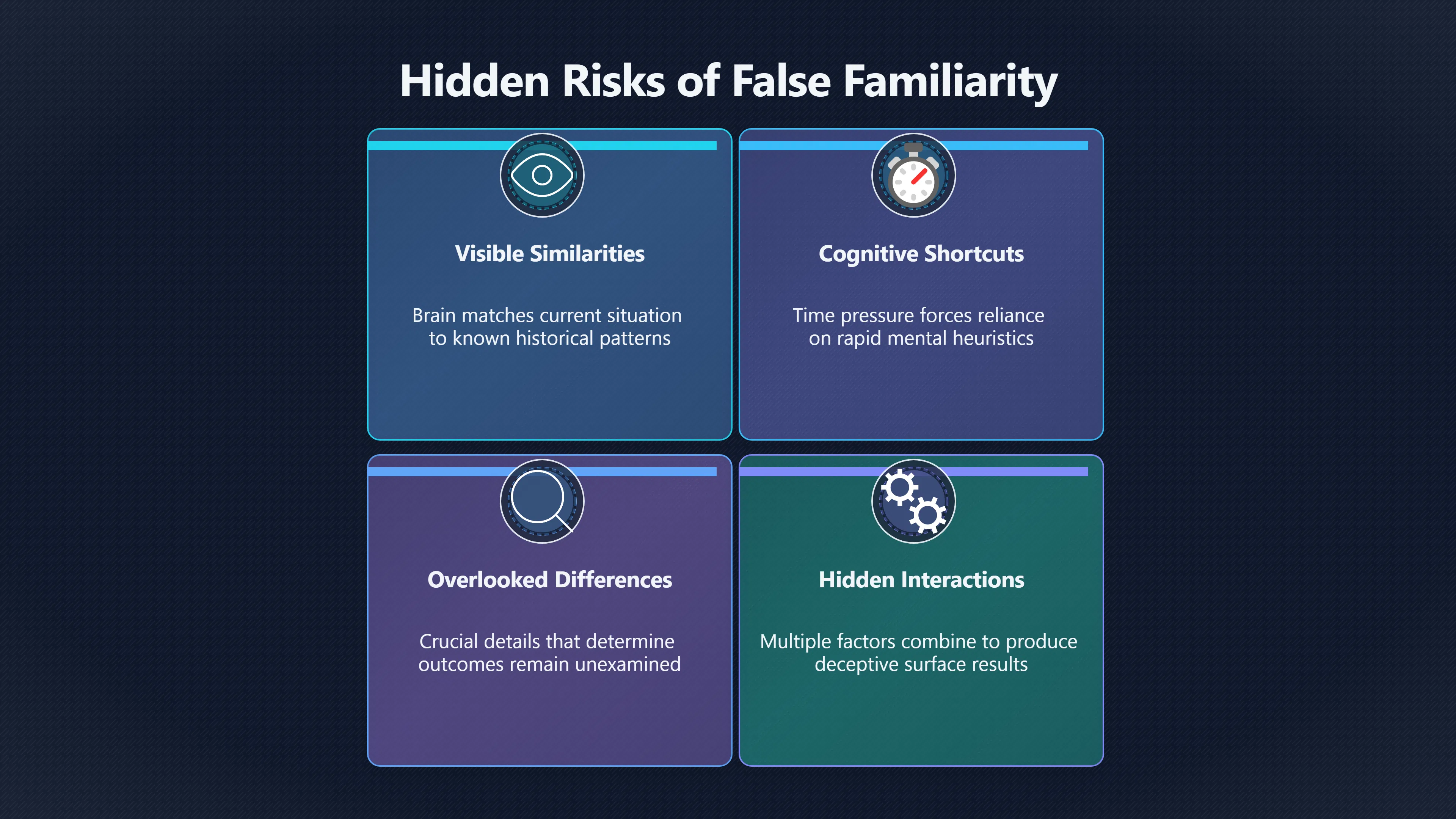
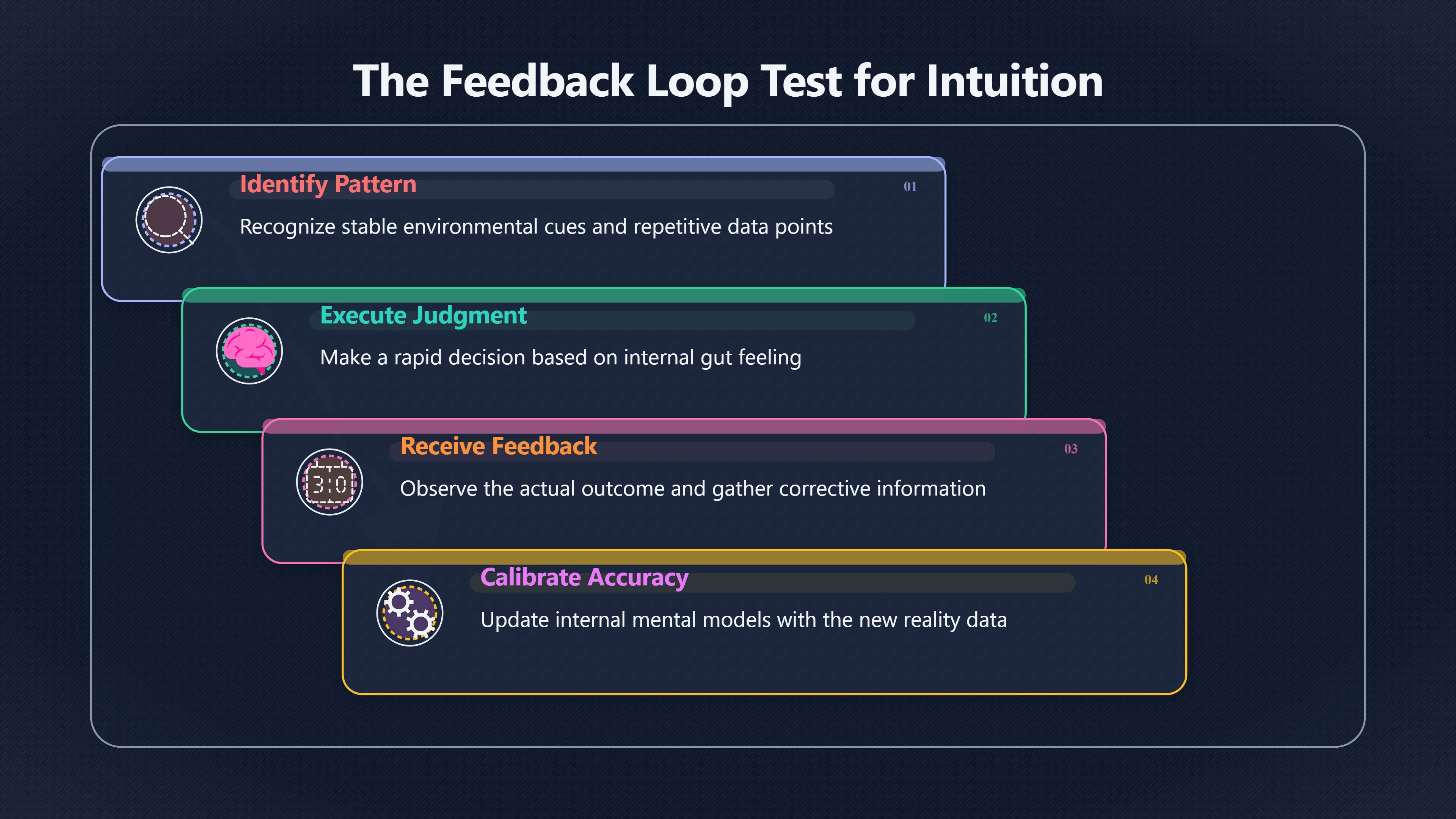
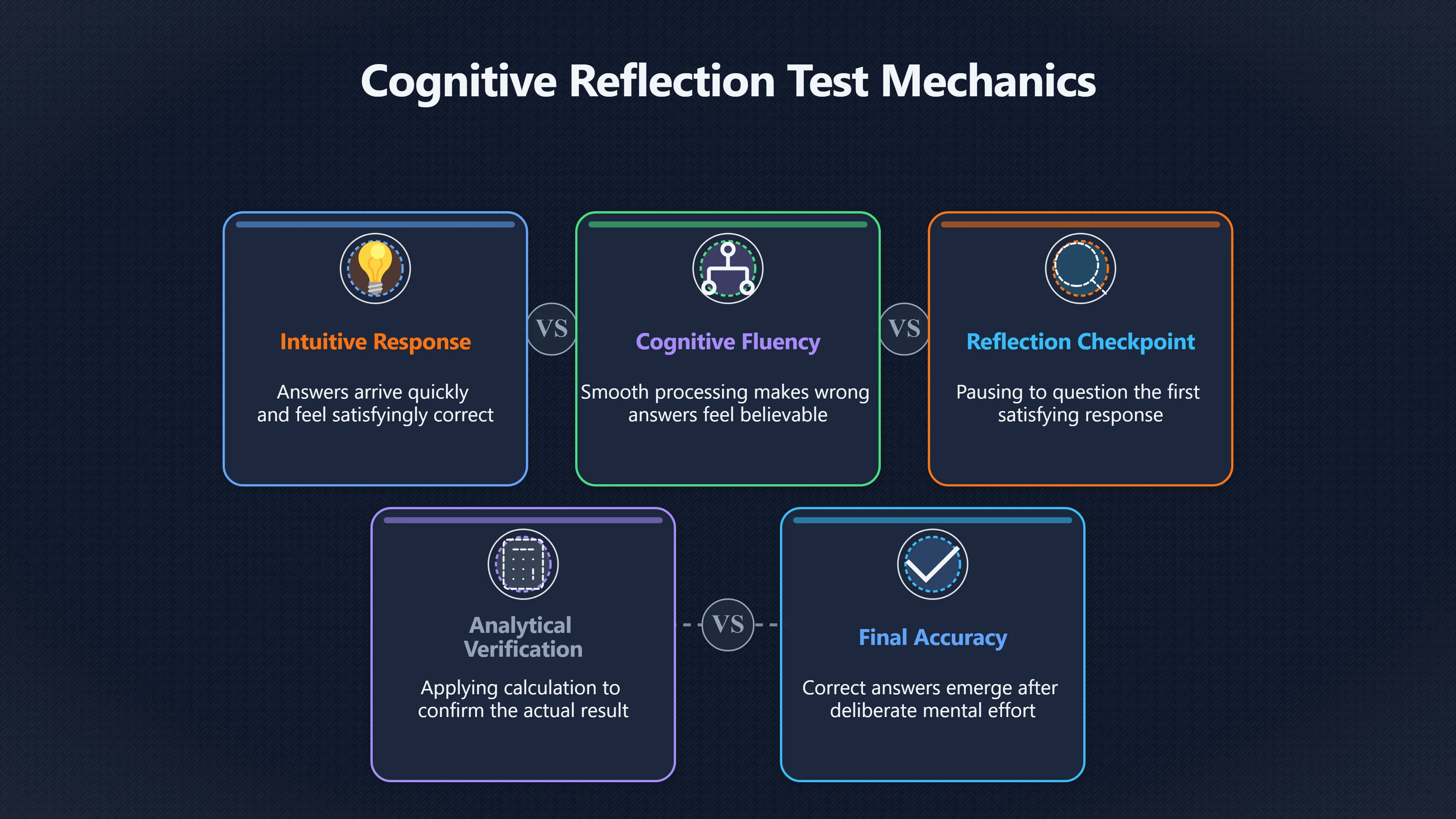
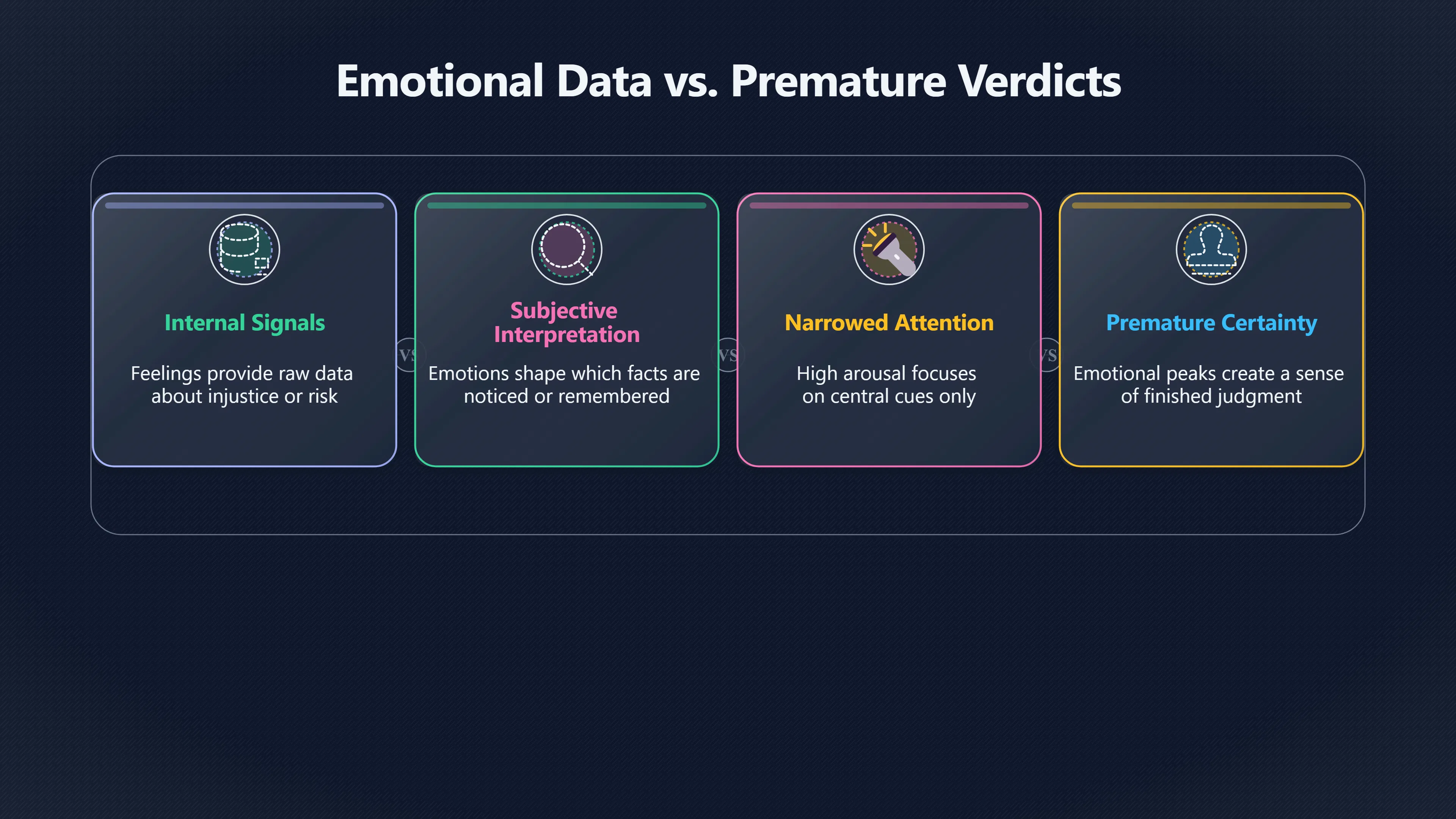

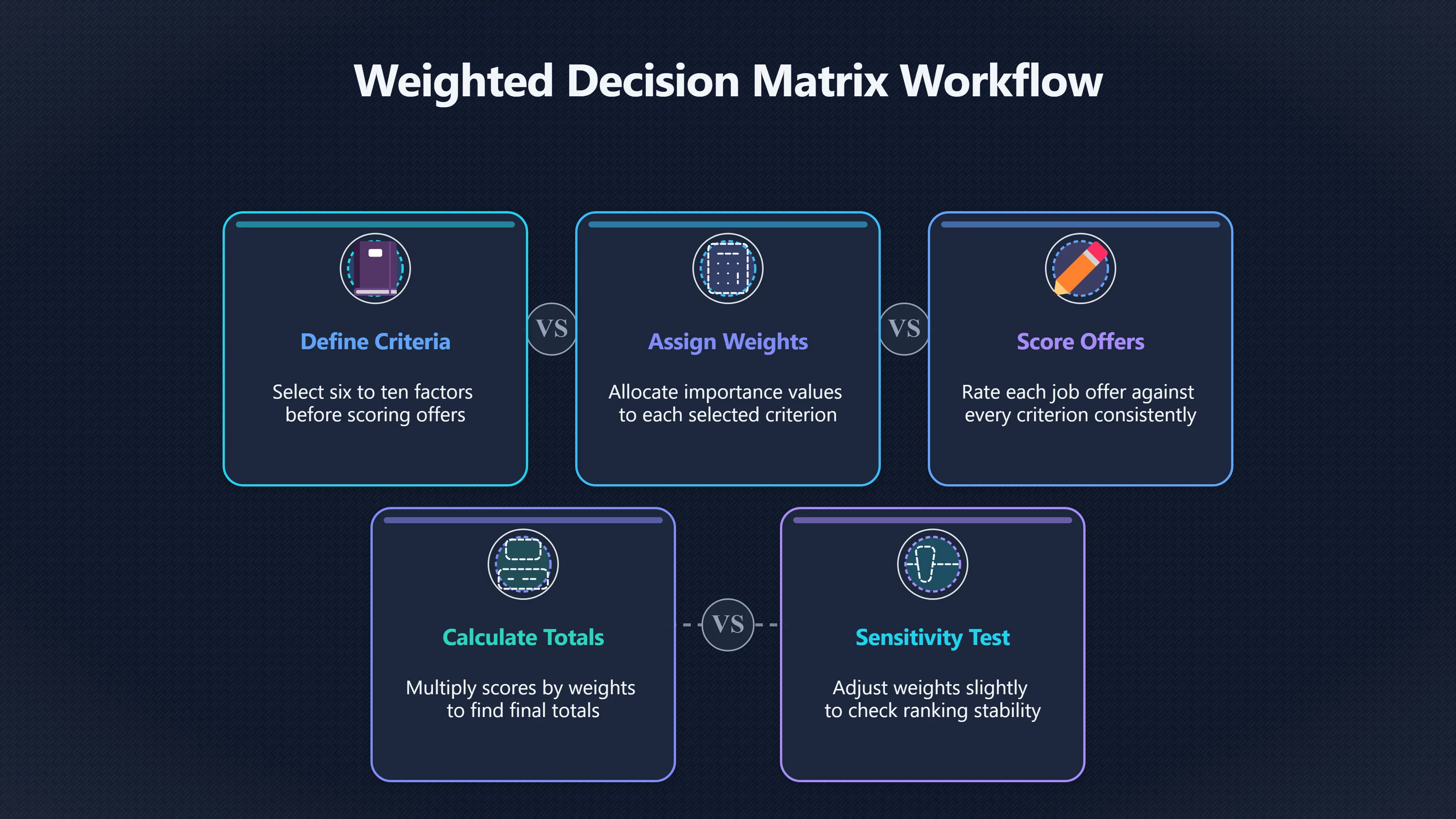
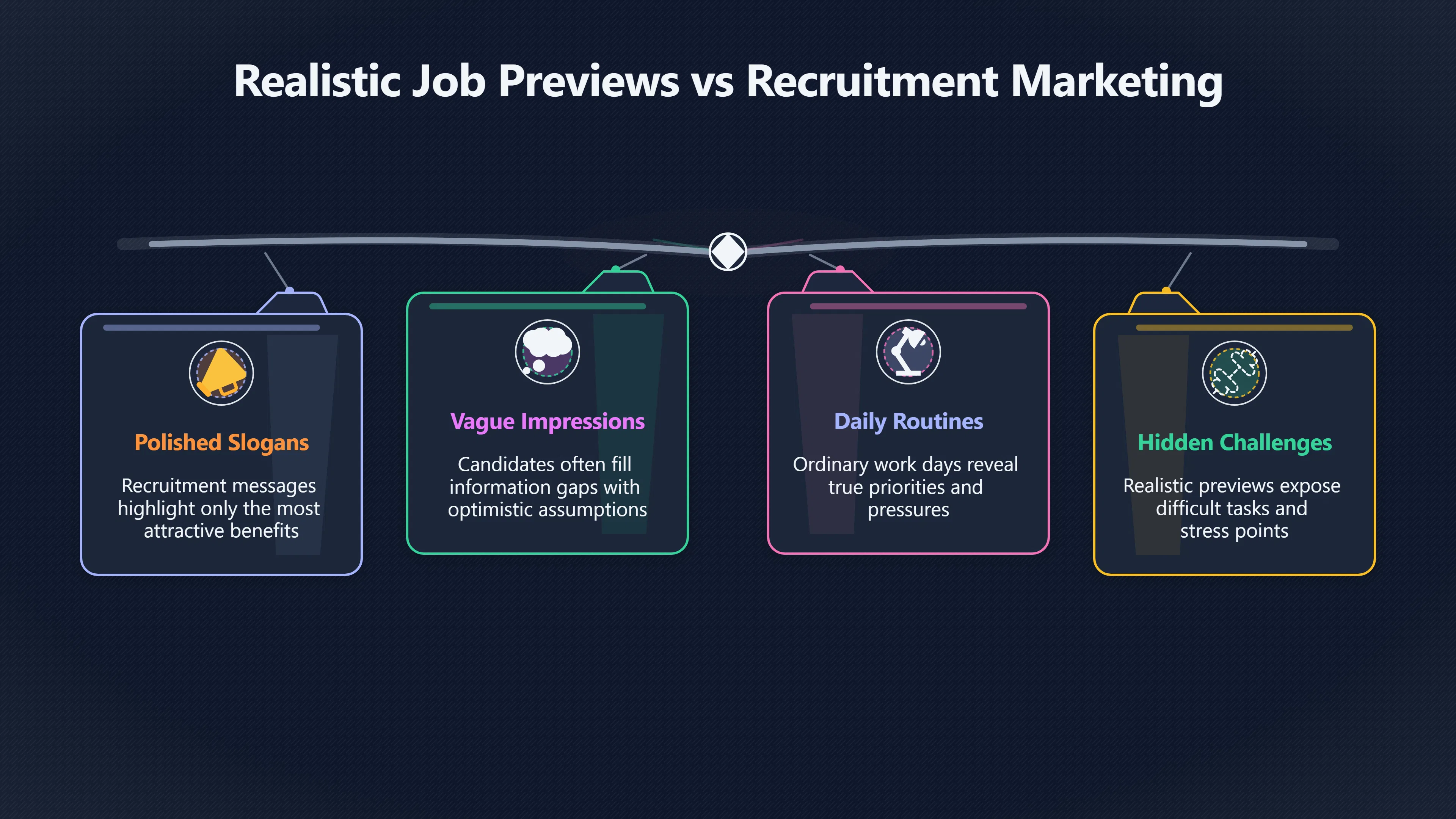

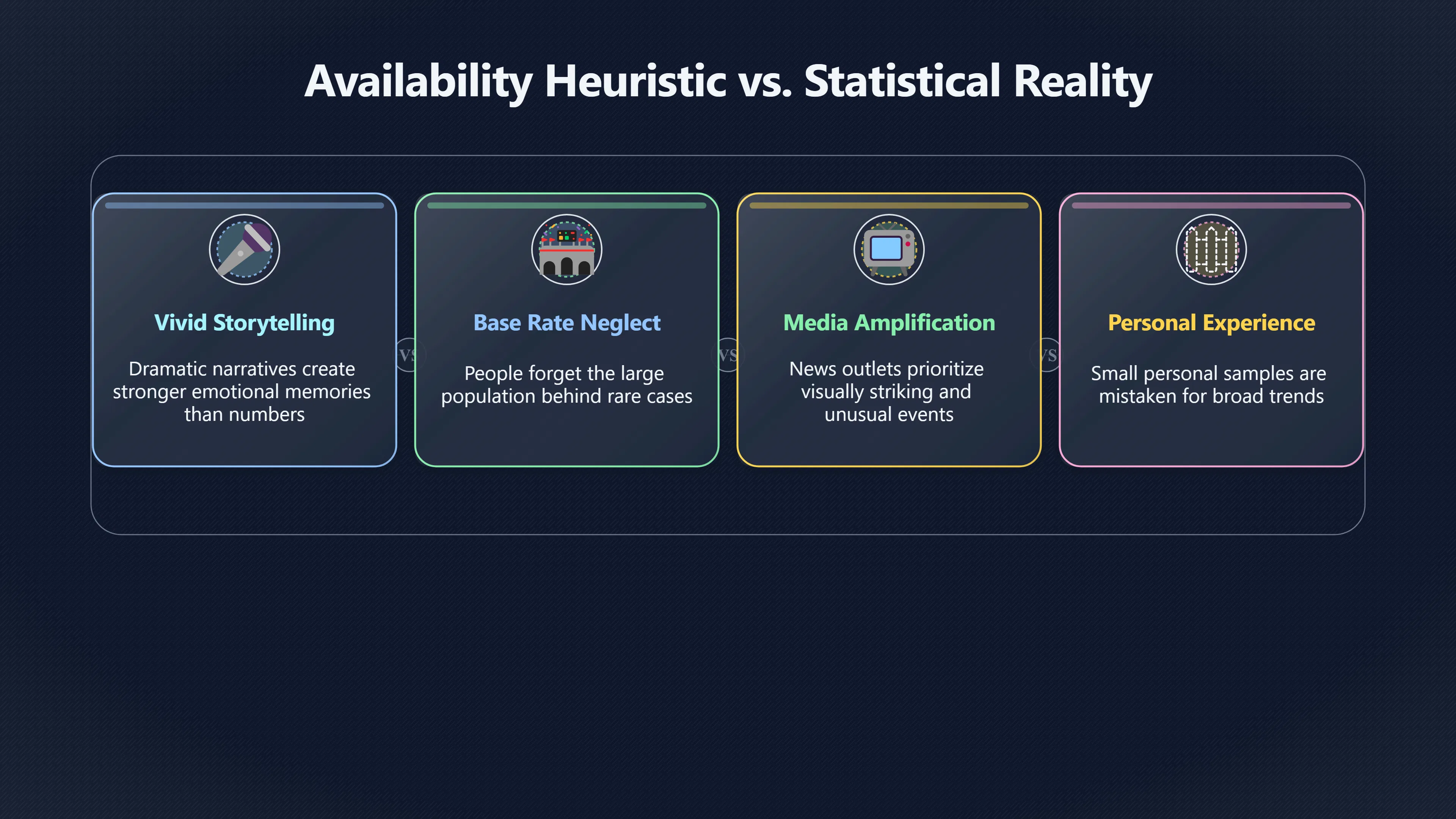
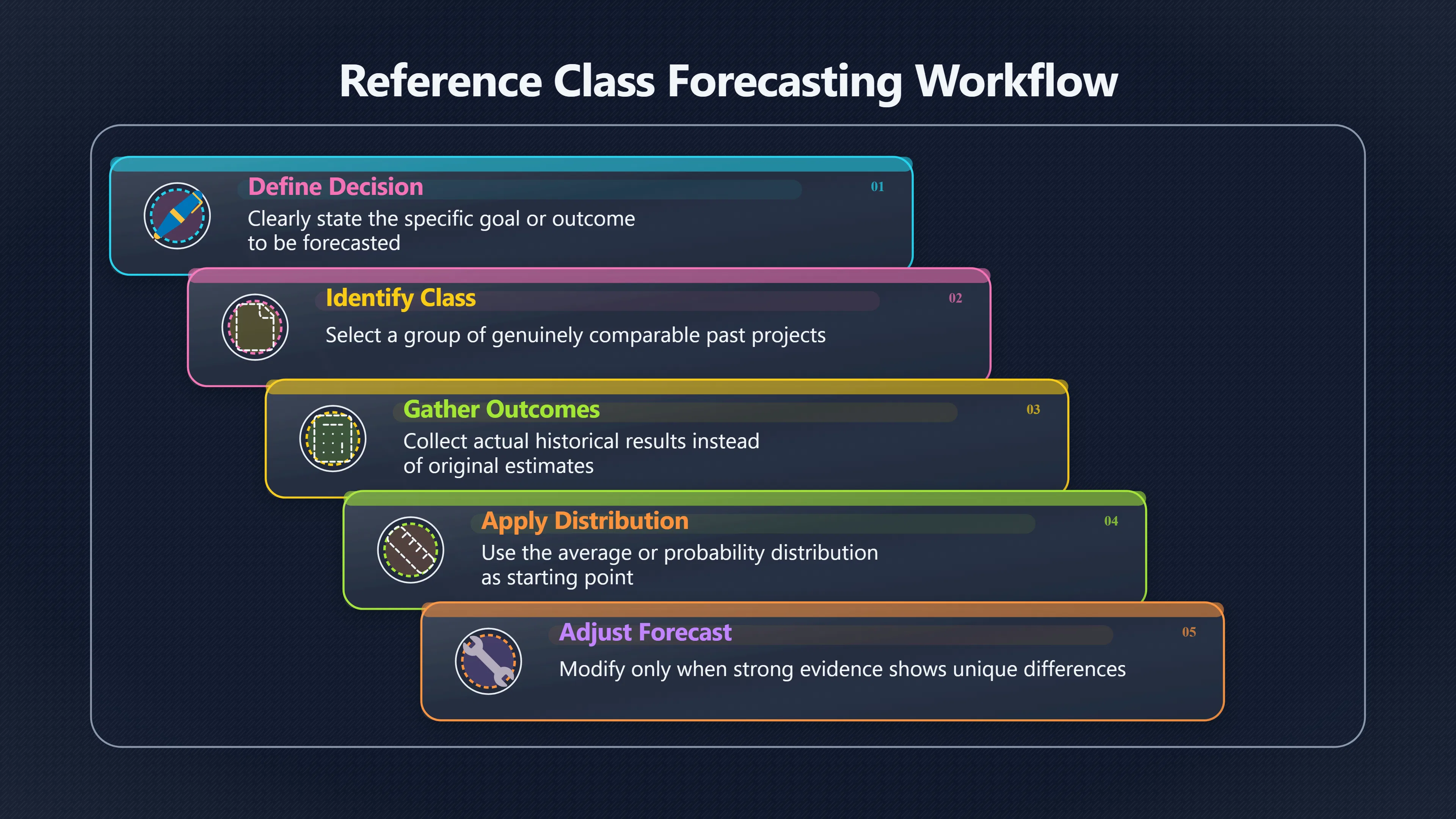
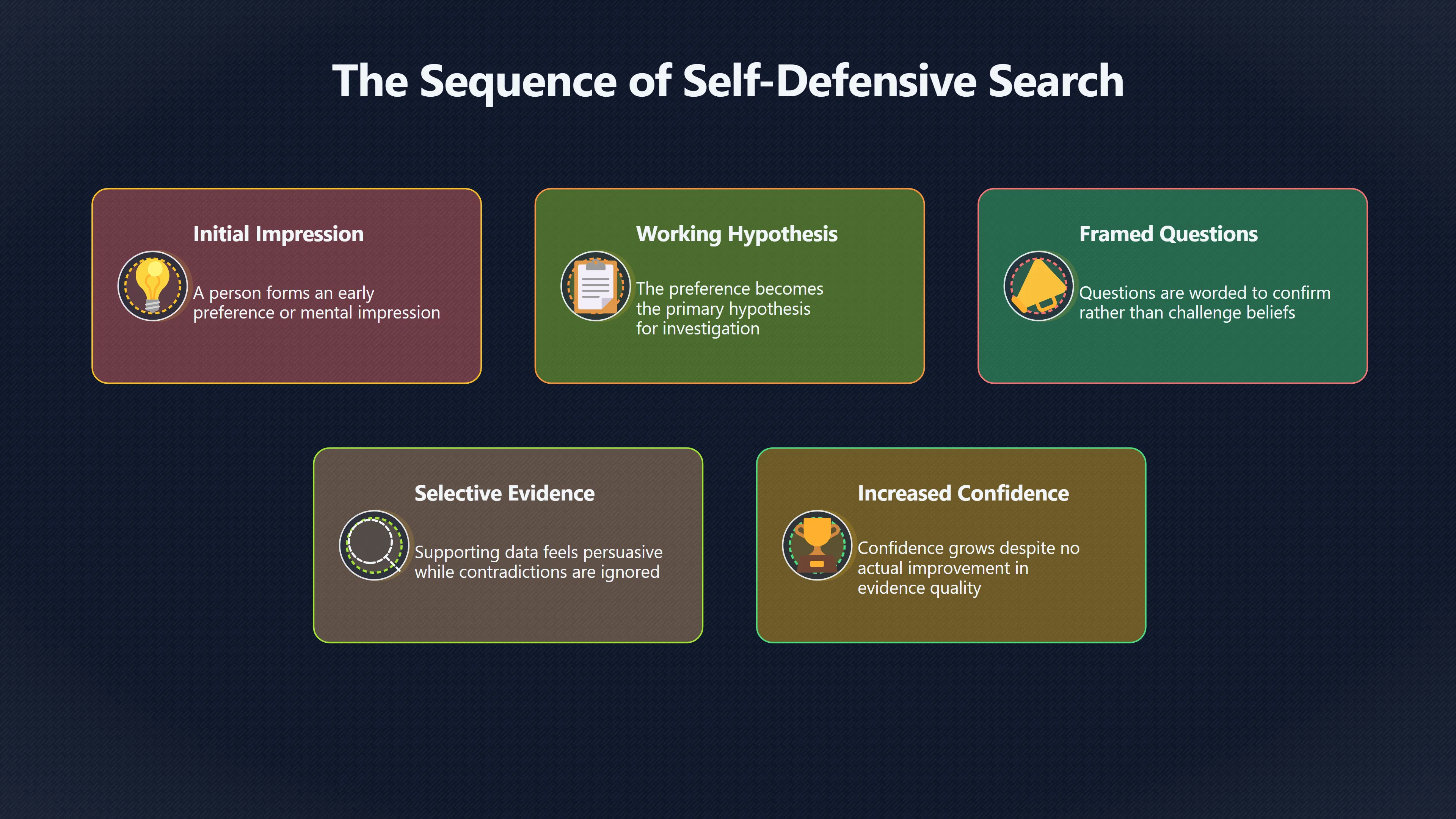
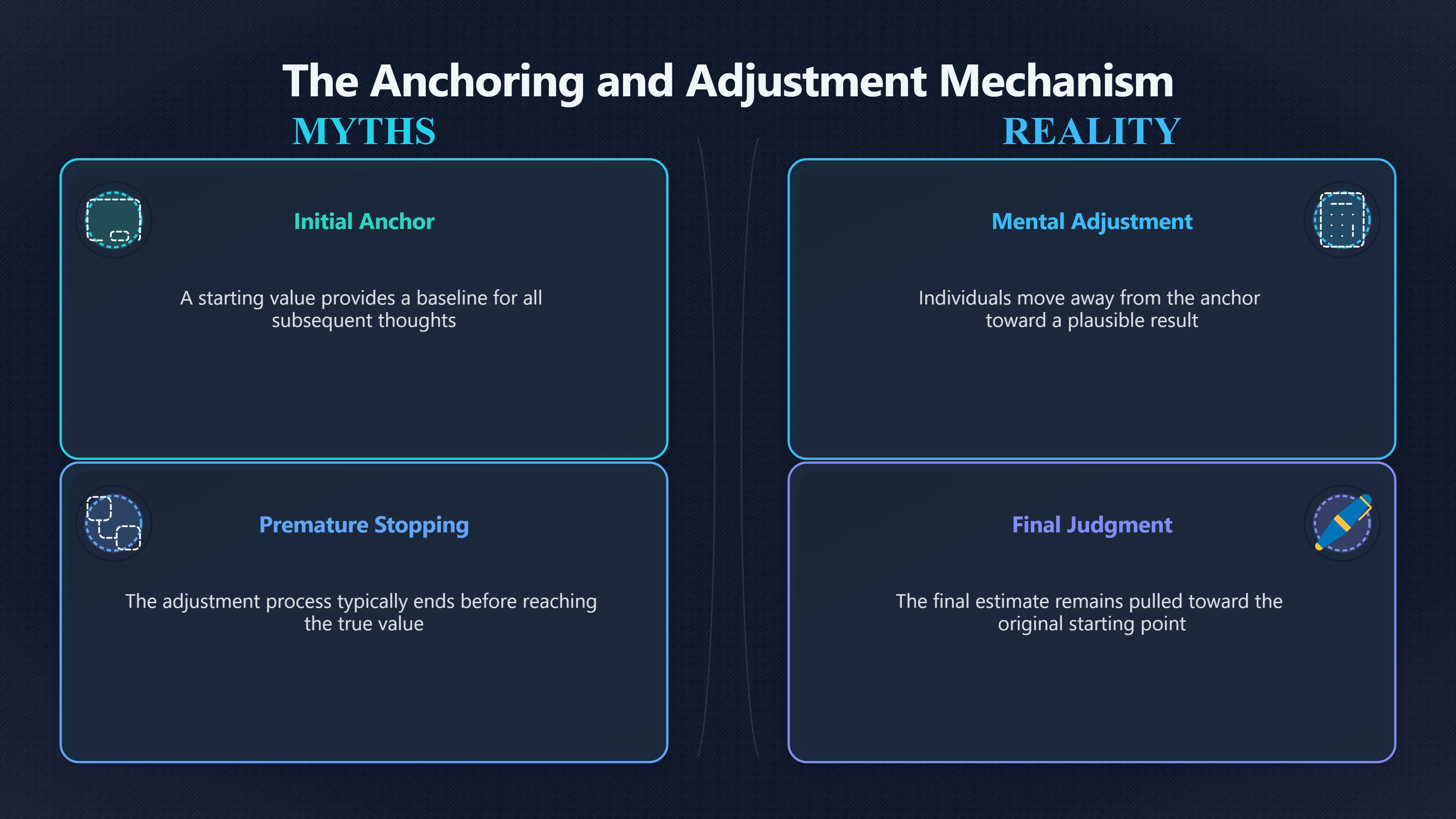
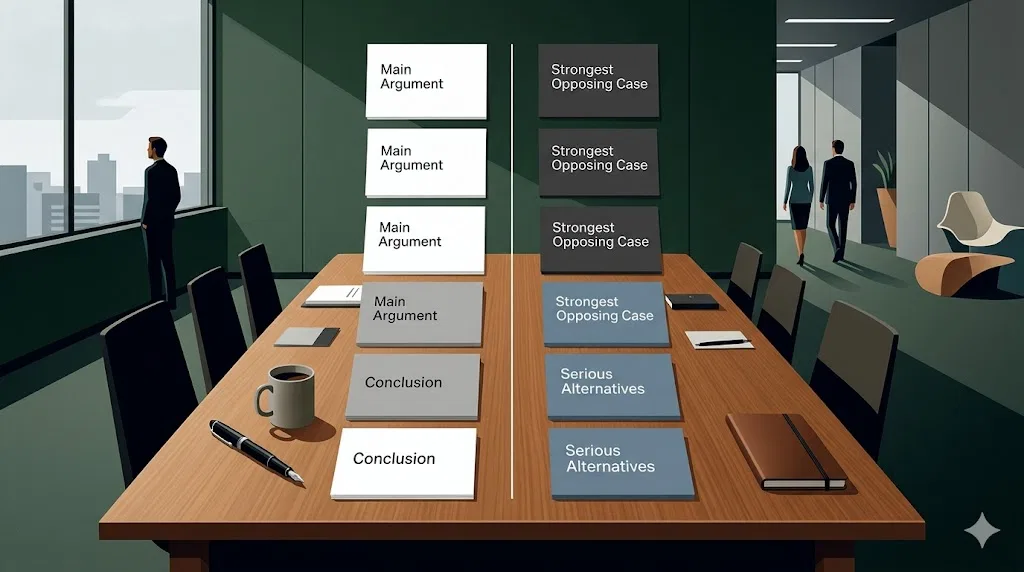
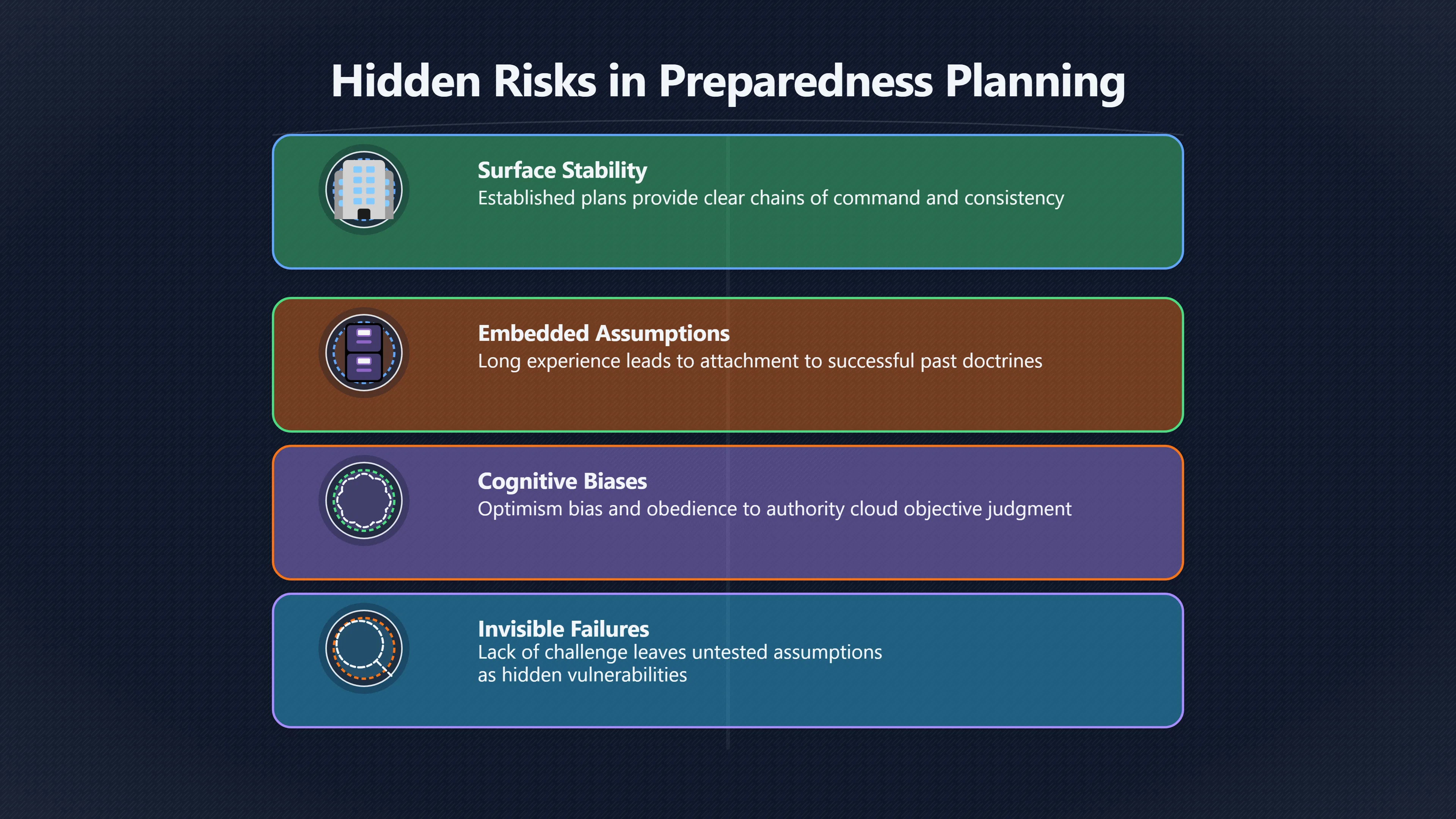
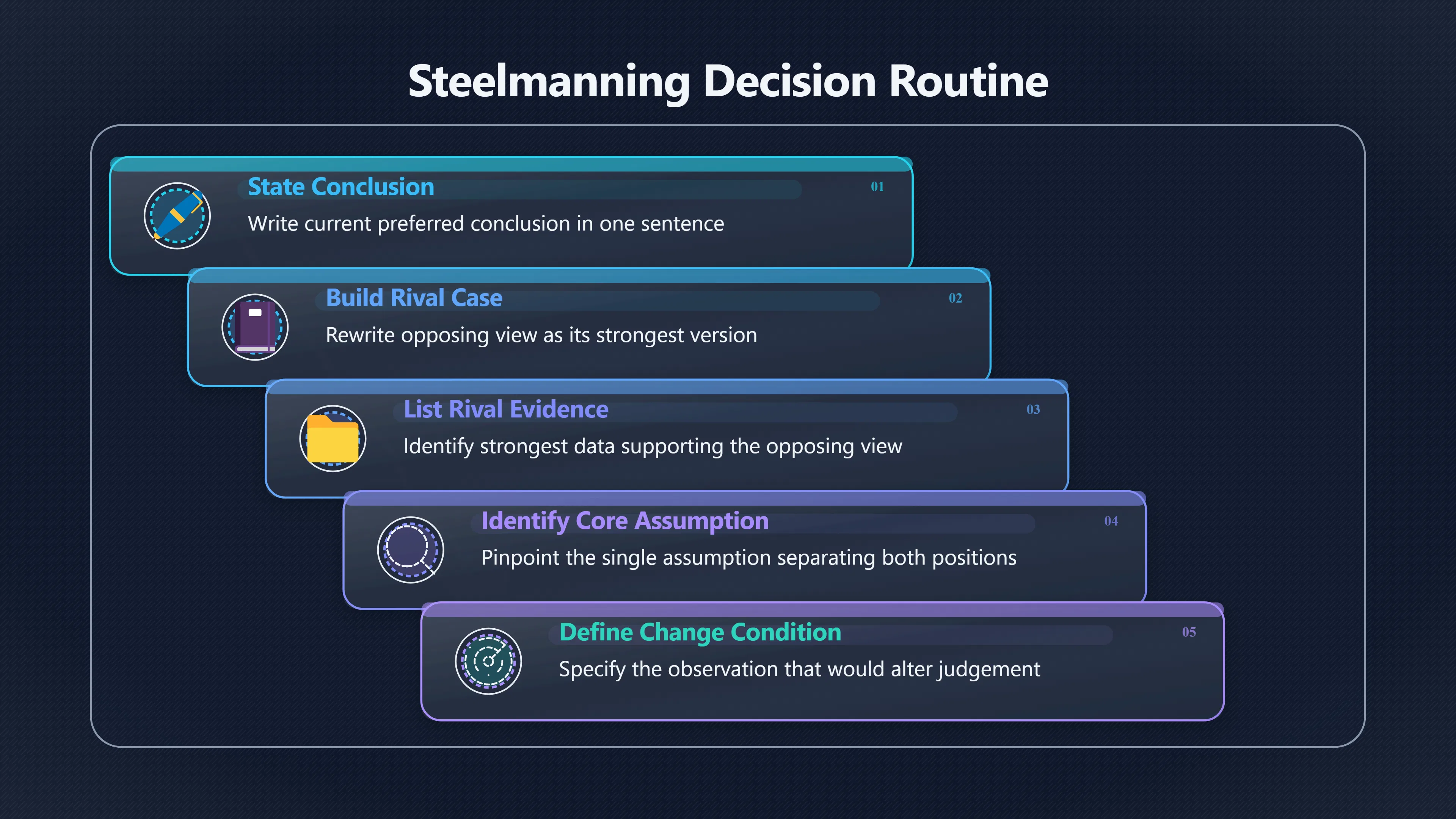

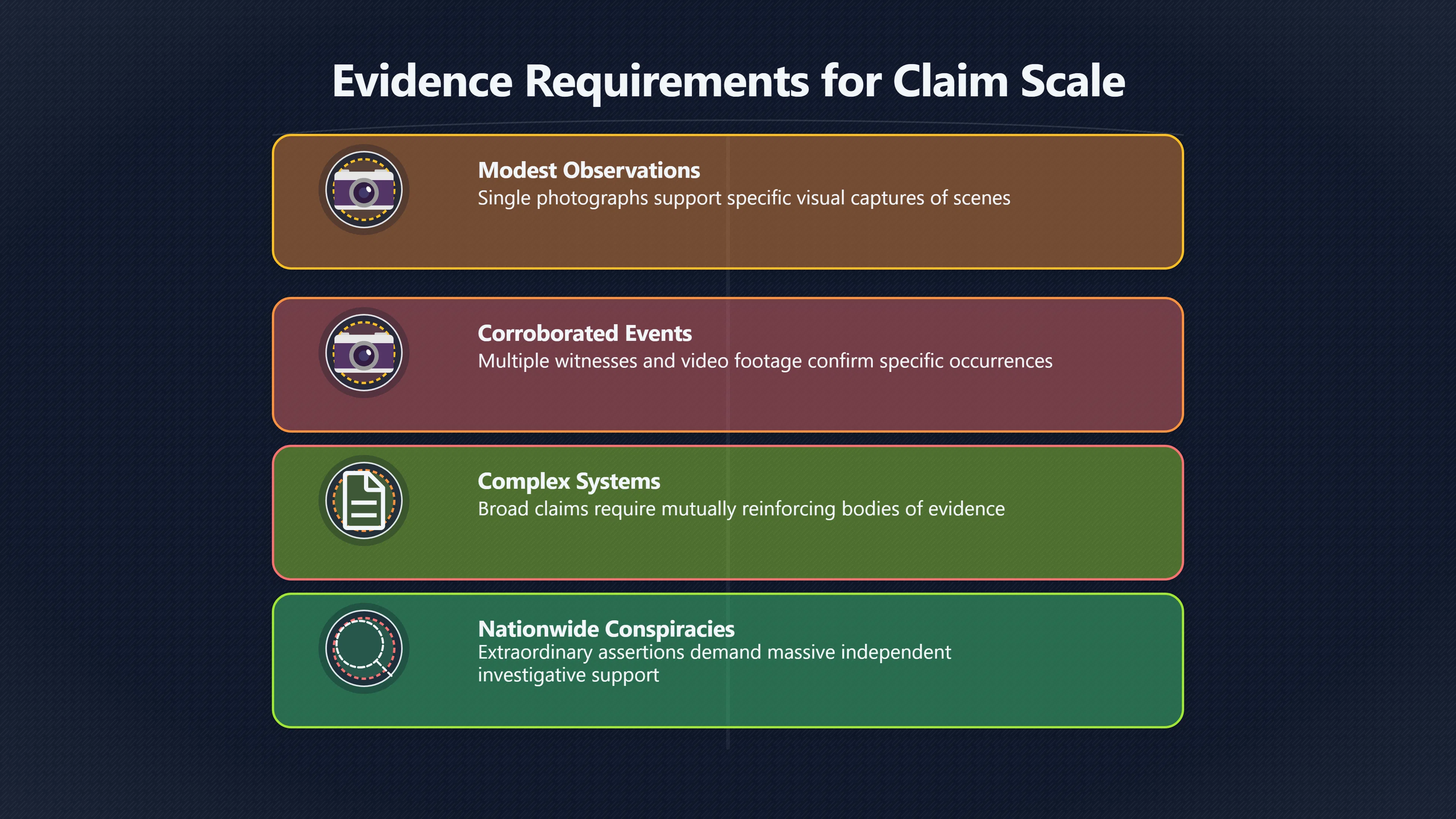
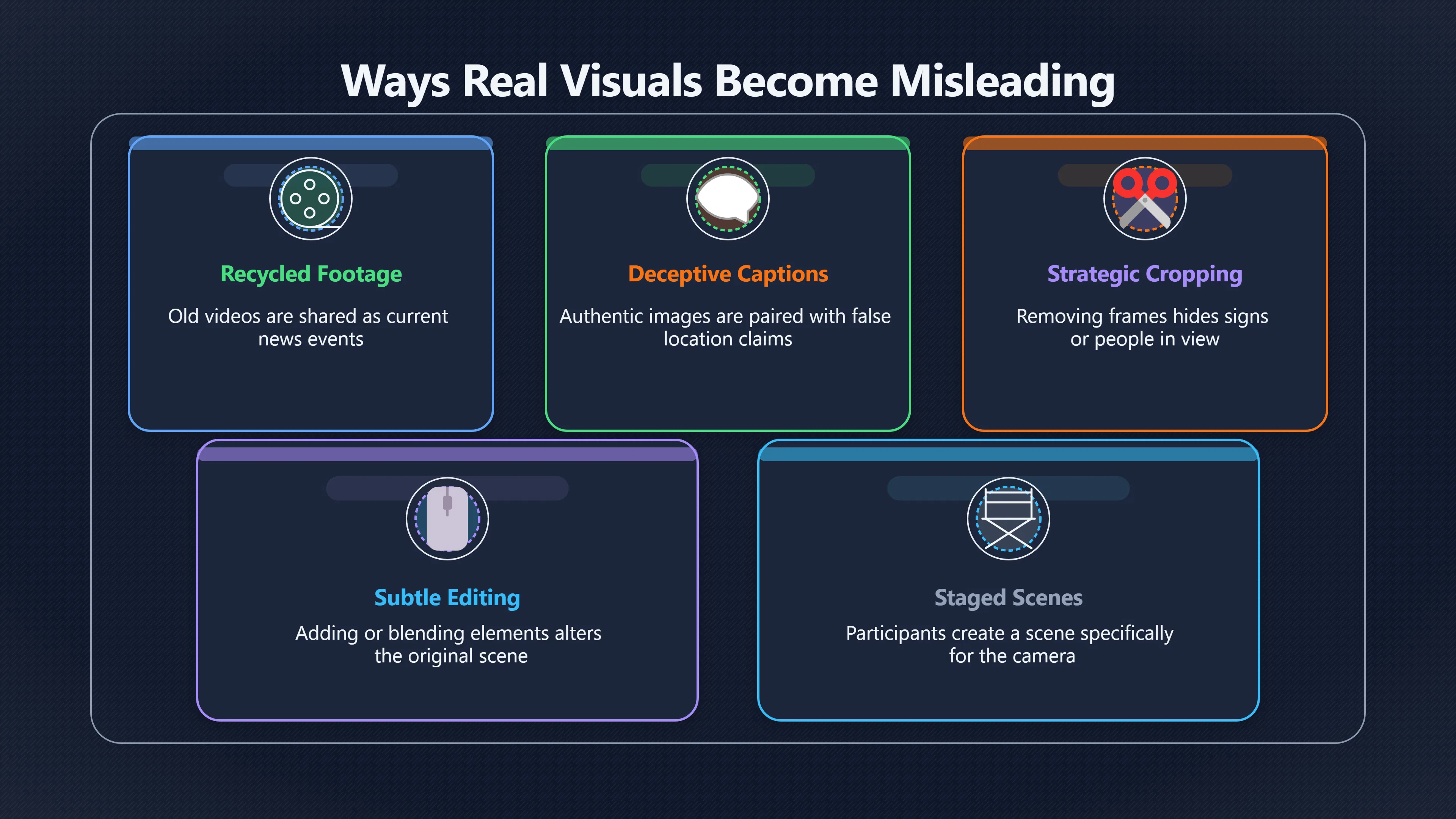
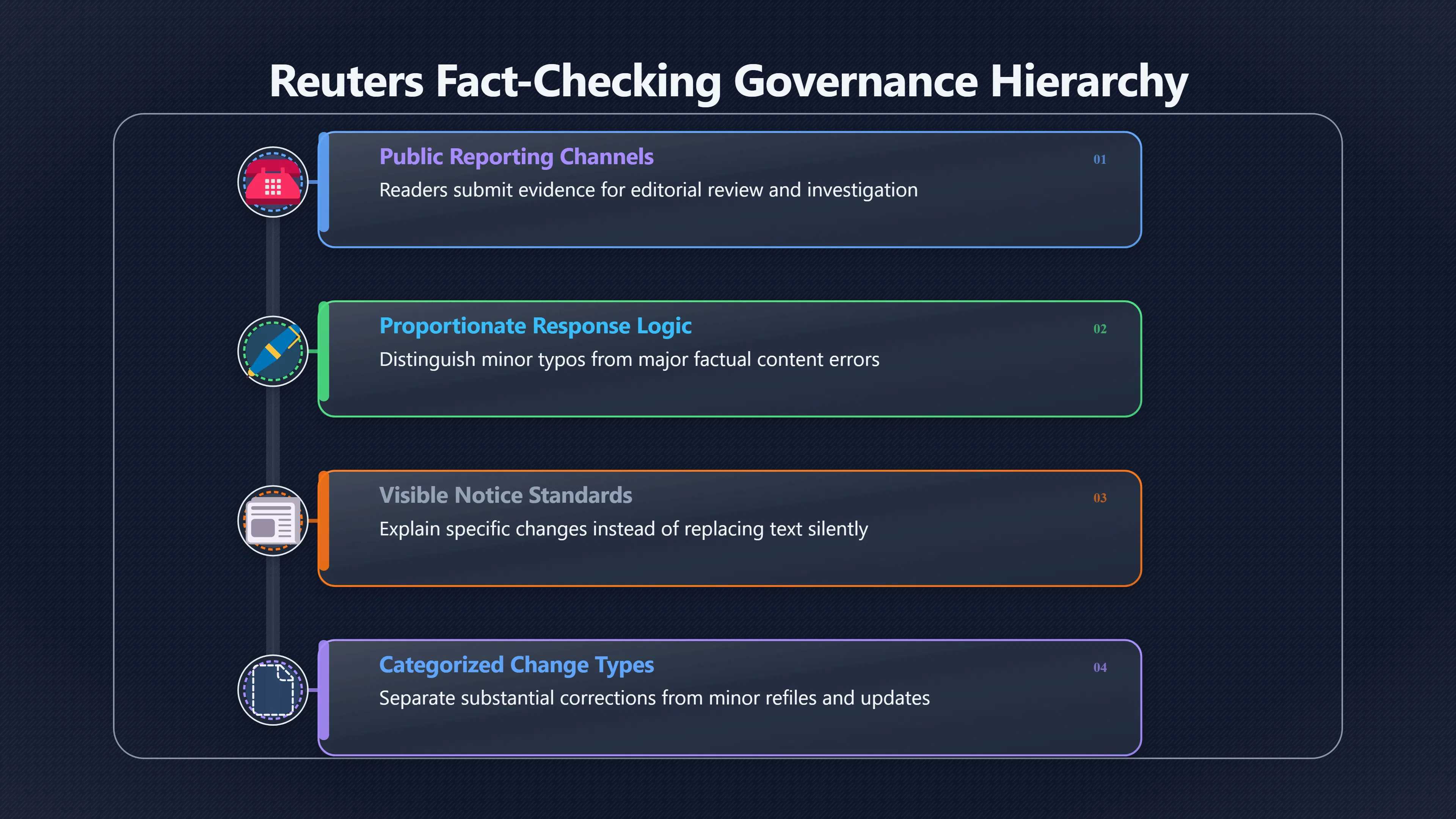
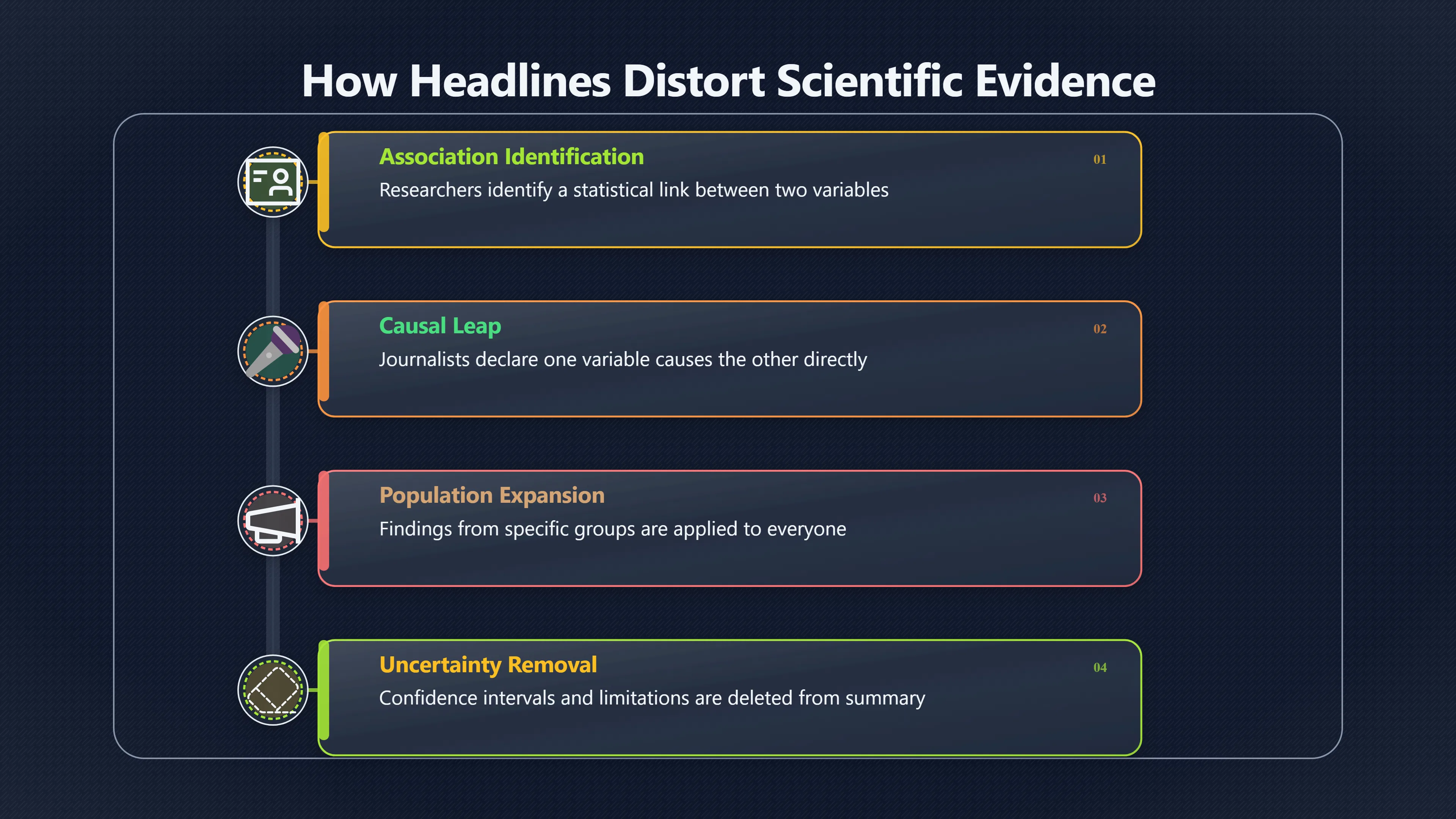



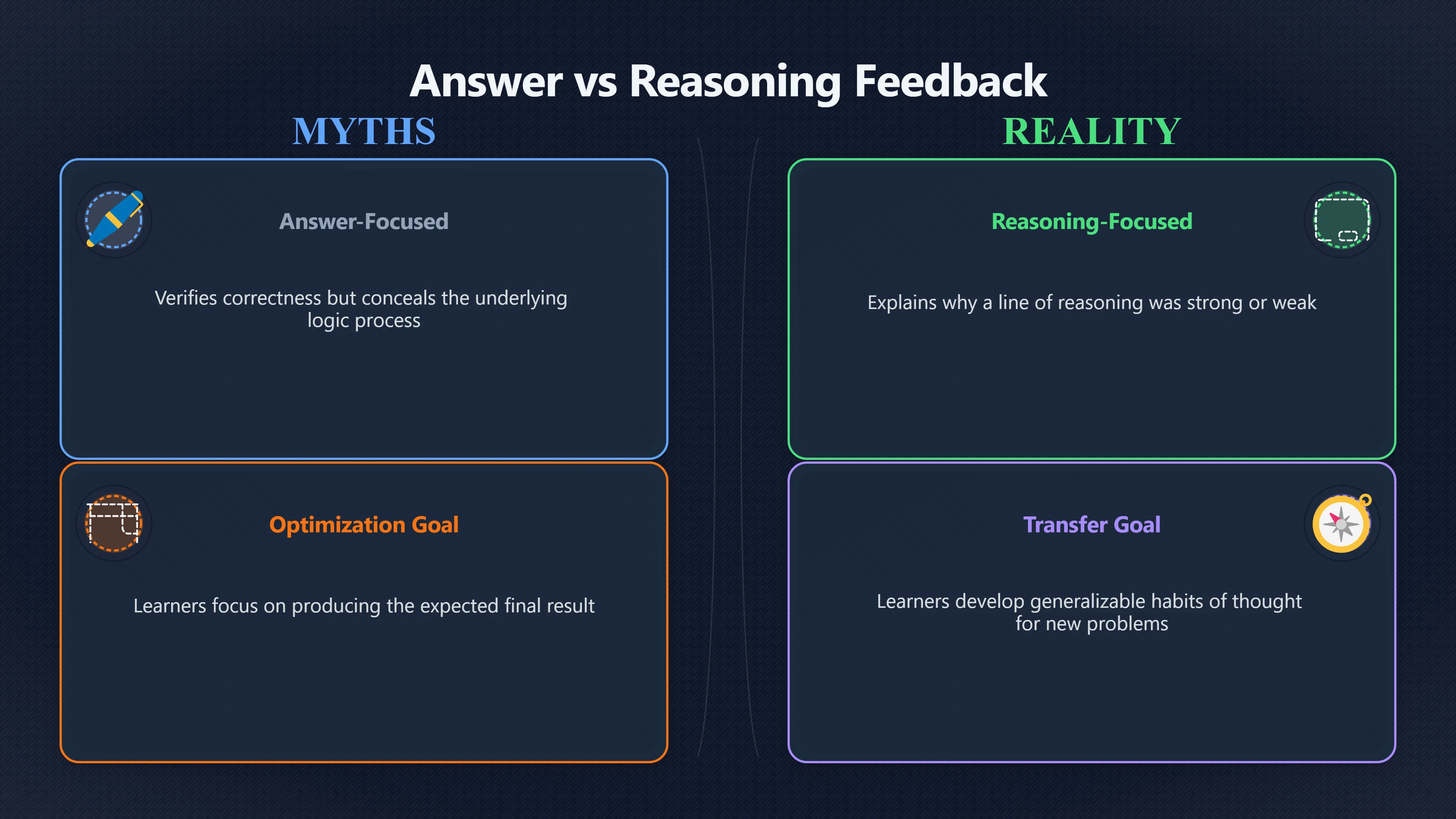
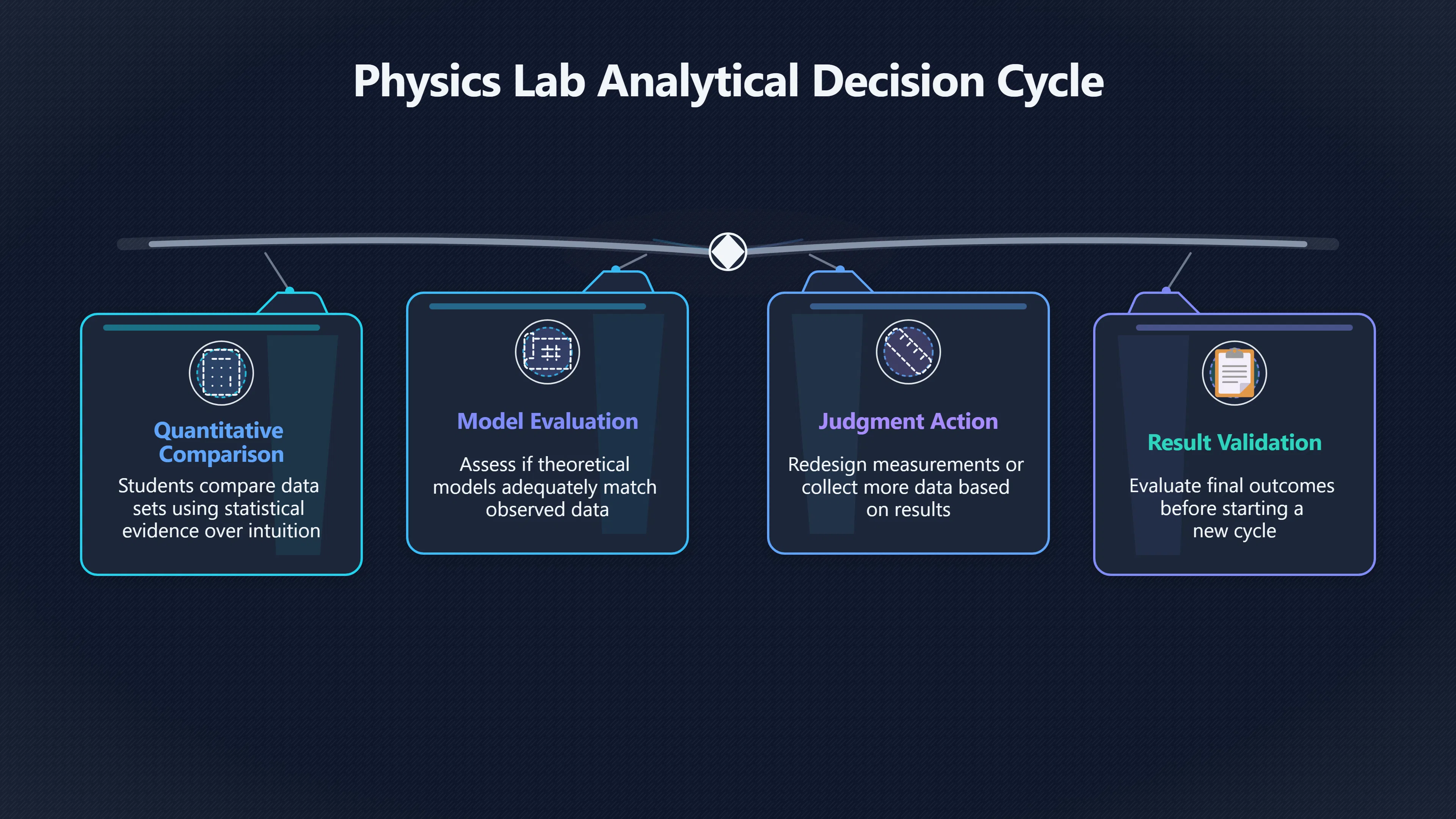
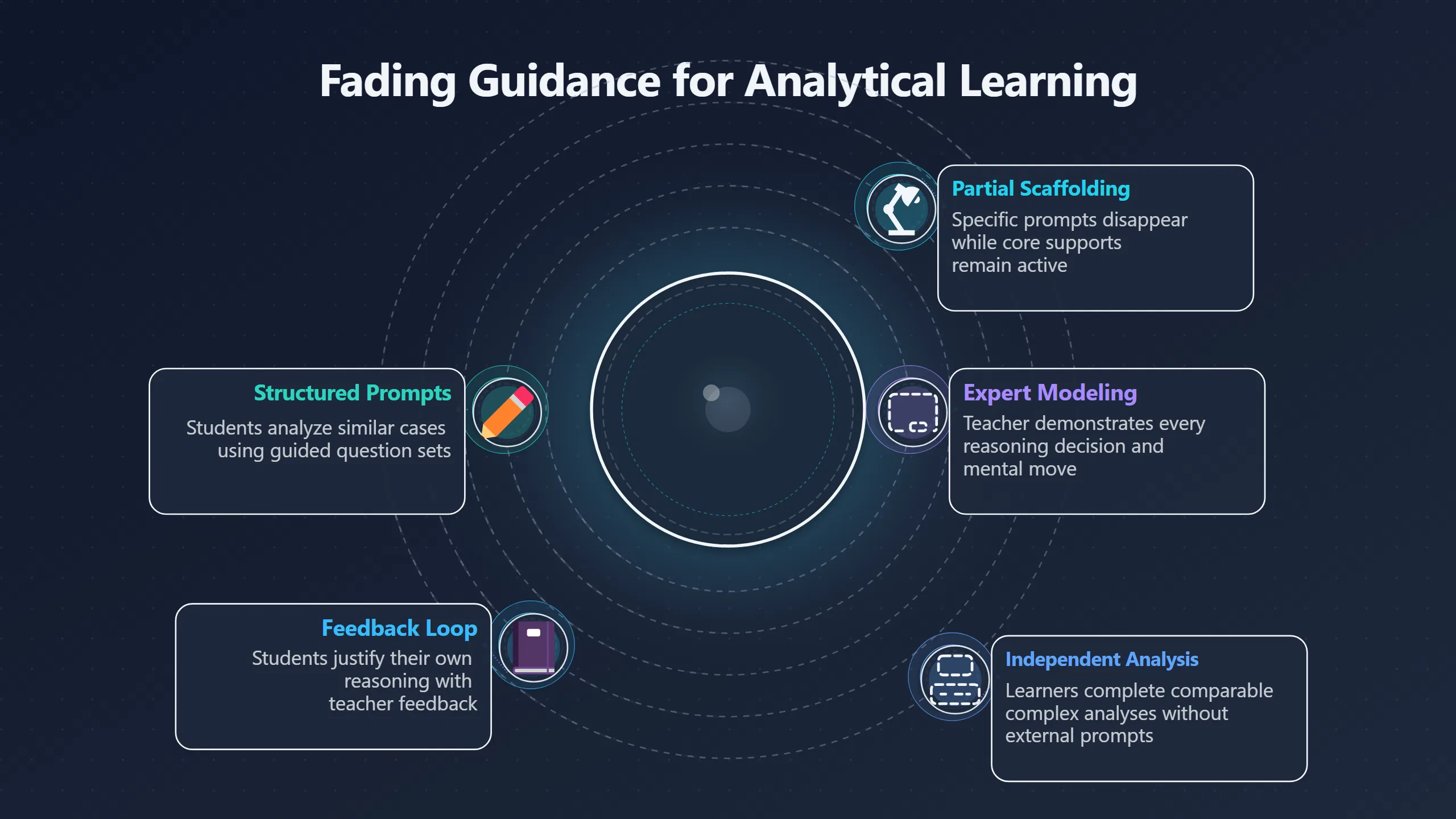
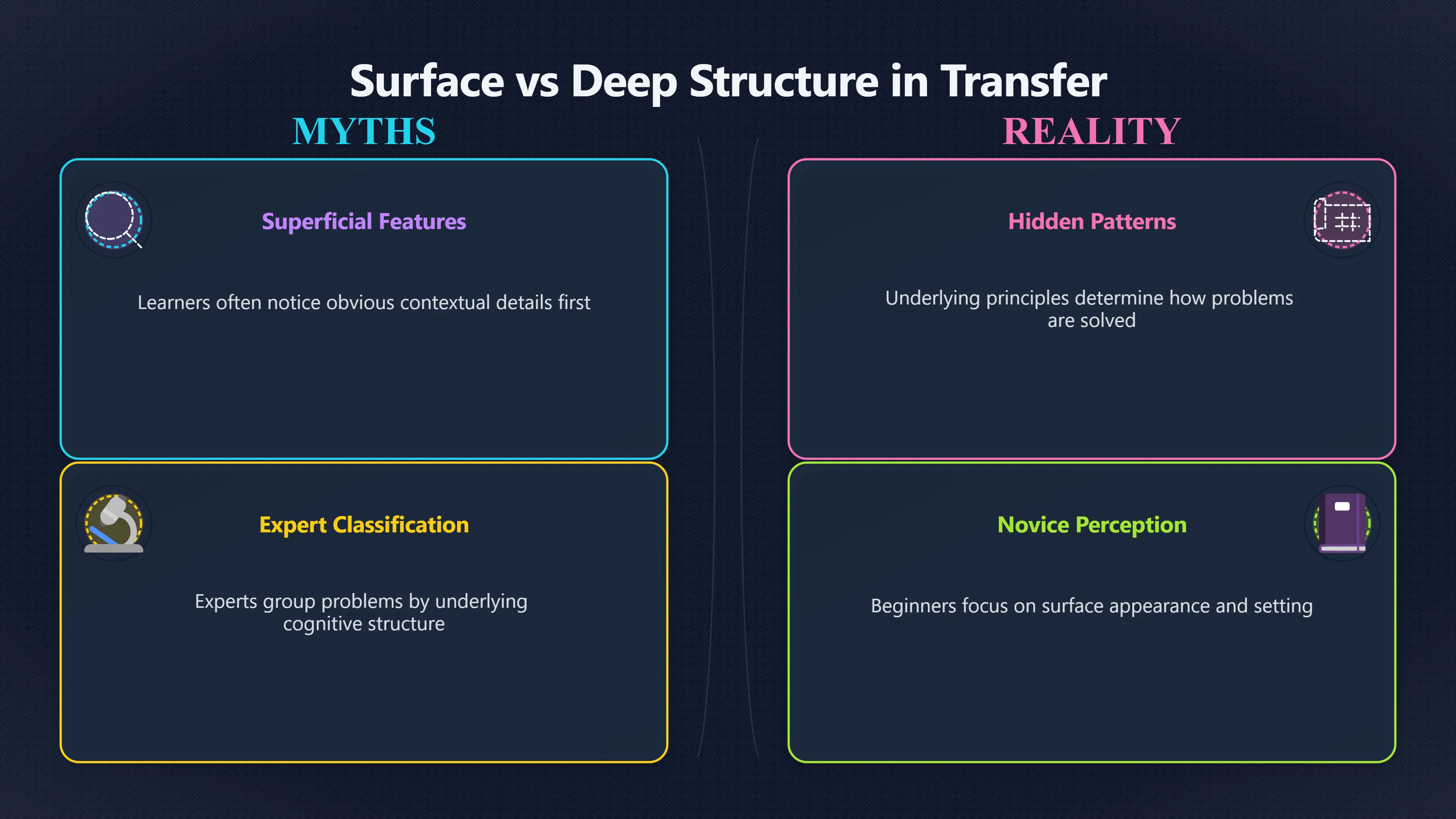
Expand all Collapse all Sharper Thinking Can You Train Better Judgment? Improving your thinking and analytical skills is less about becoming “cleverer” in the abstract and more about building habits that make your judgement slower where it should be slower, clearer where it is muddled, and better tested against evidence. 211 pages Read more Active Learning Why Rereading Is Not Enough Analytical skill grows faster when people retrieve, explain, apply, and test ideas rather than merely reread them. 7 pages +Show subtopics Read more Transfer Can the Idea Survive a New Example? Applying a concept to a new case tests whether understanding survives beyond the example that first taught it. Read more Recall Can You Explain It Without Looking? Closing the source and reconstructing ideas from memory exposes the gap between familiar-looking notes and usable knowledge. Read more Predict Predict First, Then Let Evidence Correct You Making a prediction before checking the answer turns passive reading into a comparison between expectation and evidence. Read more Explain The Missing Step You Notice When Explaining Explaining each step in your own words makes hidden assumptions, weak links and misconceptions easier to notice. Read more Work Rehearsal Training That Rehearses the Real Decision Workplace learning becomes more useful when teams practise the judgments they will later need under real pressure. Read more Testing Why Tests Can Teach Better Than Review Practice tests improve thinking because answering from memory strengthens recall and reveals mistakes before they matter. Read more Alternatives What Else Could Explain This? A strong explanation is not just plausible; it has survived comparison with serious alternatives. 7 pages +Show subtopics Read more Control Groups Did Training Work, or Did the Task Change? Performance gains are not strong evidence for training until rival explanations such as easier tasks or changing conditions are tested. Read more Weak Evidence Does This Evidence Really Pick a Side? A fact can fit your favorite story without doing much to rule out serious rivals. Read more A Sudden Fall In Sales Is Demand Down or Data Broken? A revenue change is easier to interpret when analytics, payment data, traffic, refunds, and channel comparisons tell the same story. Read more Competing Hypotheses Put Your Explanations in Competition Listing hypotheses side by side helps reveal which explanation has the least serious evidence against it. Read more Late Replies What Else Could Silence Mean? A late message can feel personal, but the same silence may come from travel, stress, uncertainty, illness, or simple oversight. Read more Accident Chains Why First Causes Miss the Chain Serious accident inquiries show why visible first causes often give way to chains of mechanical, human, organizational, and environmental factors. Read more Argument Maps Can Mapping an Argument Improve It? Argument maps turn conclusions, reasons, objections, and assumptions into a visible structure that can be tested. 7 pages +Show subtopics Read more Assumptions The Missing Premise That Carries the Argument Argument maps expose the unstated premises that often decide whether a conclusion really follows. Read more Decision Claims What Is Your Map Really Trying to Prove? Starting with a complete decision claim keeps an argument map focused on what is actually being defended. Read more Evidence Gaps What Your Decision Map Says to Check Next Mapping a choice reveals which facts still need checking before confidence is justified. Read more Objections Where Does the Objection Actually Land? A good map shows whether an objection weakens one branch, a hidden inference, or the entire claim. Read more Map Types Why Argument Maps Are Not Mind Maps Mind maps help association, but argument maps show which claims support, weaken, or depend on each other. Read more Practice Why One Argument Map Is Not Enough The strongest evidence for argument mapping comes from repeated practice with feedback, not from drawing one diagram once. Read more Calibration Is Your Confidence Matched to Evidence? Recording predictions with confidence levels turns judgment into a feedback loop instead of a private feeling. 7 pages +Show subtopics Read more Brier Scores A Simple Scorecard for Forecasting Skill Brier scores give prediction journals a simple way to compare stated probabilities with what actually happened. Read more Scorable Questions Can Your Forecast Actually Be Scored? A good prediction journal starts with questions that are specific enough to resolve and narrow enough to teach you something. Read more What To Predict The Predictions Worth Writing Down The most useful journal entries are concrete, repeated predictions about decisions where better calibration would change behavior. Read more Good Judgment What Superforecasting Teaches Everyday Thinkers The Good Judgment Project shows how explicit probabilities, feedback, updating, and scoring can improve real-world judgement. Read more Miss Reviews When a Wrong Forecast Was Still Reasonable Missed forecasts are most useful when the review separates bad evidence, bad framing, slow updates, and reasonable uncertainty. Read more Probability Words Why Probably Is Not Precise Enough Numbers make confidence testable in a way that words like likely, doubtful, or probably cannot. Read more Causation Does the Evidence Show a Cause? Analytical thinking improves when people ask whether evidence really supports a cause or only shows a pattern. 7 pages +Show subtopics Read more Onboarding Bias Did Onboarding Help, or Did Motivated Customers Join? Customers who attend onboarding may spend more because they were already more motivated, not because onboarding changed them. Read more Sleep Claims Does Short Sleep Cause Risk, or Signal It? Sleep and mortality claims need timing, pathways, and rival explanations before a correlation becomes credible advice. Read more App Scores Does the App Raise Scores, or Track Motivation? Higher scores among revision app users may reflect study habits and motivation as much as the app itself. Read more Hidden Causes When a Third Factor Creates the Pattern The ice cream and drowning example shows how a hidden third factor can make a harmless pattern look causal. Read more Berkeley Data When the Combined Data Tells the Wrong Story The Berkeley admissions example shows how an overall pattern can change when the data are split into meaningful groups. Read more Fair Tests Why Randomised Trials Make Causal Claims Stronger Random assignment helps test causal claims by making groups more comparable than ordinary observation usually allows. Read more Change Mind What Evidence Would Change Your Mind? Asking what evidence would change your conclusion protects against reasoning that cannot be tested. 7 pages +Show subtopics Read more Premortems Can a Premortem Reveal When You Should Reconsider? Imagining a future failure helps identify early warning signs before a decision becomes difficult to reverse. Read more Review Triggers How Review Triggers Make Changing Course Easier Predefined review triggers help teams revisit decisions without treating every setback as a crisis. Read more Wason What the 2 4 6 Experiment Teaches About Better Decisions A classic psychology experiment shows why people often test ideas by confirming rather than challenging them. Read more Revision Rules What Would Actually Make You Change Your Mind? Clear revision conditions make it harder to ignore evidence that challenges your current view. Read more Confidence Updates Why Changing Your Mind Can Mean Changing Your Confidence Evidence often justifies smaller confidence shifts rather than dramatic reversals. Read more Disconfirming Evidence Why Contradictory Evidence Is More Useful Than More Proof The strongest test of a belief often comes from evidence that could prove it wrong. Read more Claims What Is the Claim Really Based On? Good analysis depends on separating what is being claimed from the evidence and assumptions that supposedly support it. 7 pages +Show subtopics Read more Work Complaints Are Three Complaints Enough to Blame the Software? Three frustrated colleagues may reveal a real software problem, or they may reflect a narrow slice of the team's experience. Read more Policy Timing Did the Policy Fail, or Just Come First? A bad outcome after a policy change is not enough to show the policy failed unless competing causes are ruled out. Read more Supplements Did the Supplement Work, or Did You Recover? Feeling better after taking a supplement can matter personally, but it does not by itself prove the supplement caused the improvement. Read more Late Replies Do Late Replies Really Show Disrespect? Late messages may feel personal, but the argument from delay to disrespect depends on assumptions about intent, norms, and context. Read more Warrants The Hidden Bridge in Every Argument The warrant is the quiet bridge between evidence and claim, and finding it often reveals where the disagreement really sits. Read more Anecdotes When Does One Example Actually Prove Anything? A single vivid story can be a useful clue, but it rarely proves a broad claim unless it is typical and well connected. Read more Confirmation Bias Are You Protecting Your First Answer? Confirmation bias makes people seek support for a first answer instead of seriously testing alternatives. 7 pages +Show subtopics Read more Red Flags Is This Patience or Evidence Avoidance? Generosity becomes risky when repeated behavior would look obvious in a friend's relationship but complicated in your own. Read more Rival Test The Test Your Favorite Story Needs A useful test does not just ask whether your favorite explanation can survive; it asks what would separate it from a serious rival. Read more Job Regret What Would Make This Job Regrettable? Before accepting or staying in a role, the regret question forces hidden warnings into view before career momentum takes over. Read more Search Trap When Research Becomes a Search Trap Searching only for reasons to proceed can make a decision feel researched while hiding the strongest reasons it might fail. Read more Health Doubt When Symptoms Seem to Confirm Your Fear Fear or hope can make one explanation feel obvious, so serious health decisions need clear counterevidence questions and second-opinion triggers. Read more First Answer Why the First Answer Starts Winning A promising first answer can turn into a protected story when relief, identity, or social cost makes contrary evidence feel threatening. Read more Critical Thinking What Does Critical Thinking Really Mean? Critical thinking is purposeful, self-regulated judgment, not just scepticism or having sharper opinions. 7 pages +Show subtopics Read more Remote Work Are Remote Workers Really Less Productive? The remote-work productivity debate shows why critical thinkers define terms, compare evidence, and test alternative explanations. Read more Self Checks How to Catch Your Own Double Standards Self-regulation turns critical thinking inward by asking whether your own standards are fair, consistent, and evidence-led. Read more Critical Trust Is Doubt Helping or Just Hardening? Critical thinking is not automatic distrust; it means matching trust to the quality of the reasons available. Read more Delphi Standards What Counts as a Good Critical Judgement? The Delphi Report gives critical thinking a practical standard: interpretation, analysis, evaluation, inference, and explanation. Read more Clear Question What Question Are You Really Answering? A clear question keeps critical thinking from becoming endless commentary and makes evidence easier to test. Read more Thinking Habits Why Smart People Still Need Thinking Habits Critical-thinking skills matter most when dispositions like truth-seeking, open-mindedness, and systematicity make people use them. Read more Decision Stakes How Much Thinking Is Enough? The amount of analysis should match the cost, uncertainty, and reversibility of the decision. 7 pages +Show subtopics Read more Premortems Imagine Failure Before It Happens A premortem helps people notice plausible reasons a decision could fail before commitment makes them harder to discuss. Read more Two Way Tests When Is Acting the Better Analysis? Reversible choices often improve faster through small experiments than through long private debate. Read more One Way Doors Which Decisions Deserve Slower Thinking? Some choices deserve extra friction because the damage is serious, hard to undo, or likely to reshape later options. Read more Shared Risk Who Pays If This Goes Wrong? A decision deserves more care when other people bear the risk, even if it feels easy or routine to the decision-maker. Read more Paralysis Why Small Choices Can Steal Big Attention Overthinking small reversible choices can waste attention that would be better saved for decisions with real downside. Read more Decision Notes Write the Reasoning Before You Commit A short decision note can capture assumptions, tradeoffs, regret risks, and review points before a hard-to-reverse choice is made. Read more Deliberate Practice Why Experience Alone Does Not Fix Thinking Better judgment comes from targeted practice with feedback, not simply from years of unexamined experience. 7 pages +Show subtopics Read more Argument Maps Can argument maps expose weak reasoning? Argument maps turn messy prose into visible claims, reasons and assumptions so weak links can be fixed instead of vaguely criticised. Read more Calibration How sure should you really be? Calibration practice teaches people to attach numbers to uncertainty, check outcomes, and notice when confidence outruns accuracy. Read more Alternatives What else could explain this? Generating rival explanations slows the jump from a plausible first story to a confident but poorly tested conclusion. Read more Error Logs What kind of wrong was it? An error log turns being wrong into useful data by naming the kind of mistake and the correction to practise next. Read more Faded Prompts When should reasoning prompts disappear? Faded prompts help learners practise a reasoning move repeatedly until they can use it without step-by-step support. Read more Prediction Logs Why prediction logs make thinking measurable Prediction logs make reasoning practice measurable by recording forecasts, evidence, updates and results in one place. Read more Feedback How Do You Learn From Wrong Calls? Feedback turns reasoning from a one-off performance into a process that can improve after errors. 7 pages +Show subtopics Read more Decision Journals Can a Decision Journal Make You Less Foolable? A short decision journal freezes what you knew, expected and believed before the outcome rewrites the story. Read more Outcome Bias Was It Skill, Luck or Bad Feedback? Good outcomes can reward bad reasoning, while bad outcomes can punish sound decisions that simply ran into bad luck. Read more Weak Feedback When Experience Makes Judgement Worse In noisy or delayed settings, repeated experience can build confidence without producing reliable learning. Read more Team Reviews When Team Reviews Actually Improve Judgement A good after-action review asks what was expected, what happened, why it differed and what should change next time. Read more Confident Errors Why Confident Mistakes Can Teach More Being confidently wrong can be useful when corrective feedback clearly shows the gap between belief and reality. Read more Probability Calls Why Vague Predictions Do Not Teach Much Putting a number on a prediction turns fuzzy confidence into something that can be checked, scored and improved. Read more First Answers Why First Answers Feel So Convincing The Cognitive Reflection Test shows how tempting first answers can feel right before they have been checked. 7 pages +Show subtopics Read more Backwards Test A Quick Test for Answers That Feel Obvious Putting a first answer back into the original problem is a fast way to catch answers that feel right but violate a condition. Read more Numeracy Limits Does the CRT Measure Reflection or Math? CRT scores can reflect calculation skill as well as reflective thinking, so a low score is not a clean diagnosis of poor reasoning. Read more Lily Pads The Growth Puzzle That Punishes Straight Lines The lily-pad question makes a linear guess feel natural even though doubling growth requires reasoning backwards from the final day. Read more Familiarity When Knowing the Answer Becomes the Trap Knowing the classic CRT answers may raise scores without proving that someone has learned to catch new first-answer traps. Read more False Fluency Why Easy Answers Can Feel More True Answers that come easily can feel more trustworthy than they deserve, especially when surface fit hides a failed constraint. Read more Bat and Ball Why the 10 Cent Answer Feels Right The famous bat-and-ball puzzle shows why an answer can fit the total while failing the exact condition that makes it correct. Read more Health Claims How Should You Judge Health Advice? Health advice needs careful evidence checks because confident claims can mix real findings with overreach. 7 pages +Show subtopics Read more Diet Claims Did the Diet Cause the Benefit? Nutrition headlines often turn population patterns into personal rules before confounding and comparison groups are handled properly. Read more Screening Does Early Detection Always Help? Early detection can help, but screening claims need absolute benefit, false positives, overdiagnosis, and mortality outcomes in view. Read more Risk Numbers What Does a 50 Percent Risk Cut Mean? A dramatic percentage can hide a tiny real-world difference unless the baseline risk and time period are made clear. Read more Markers When Better Numbers Do Not Mean Better Health A number moving in the right direction is not the same as fewer illnesses, longer life, better function, or less suffering. Read more Supplements When Supplement Claims Outrun the Evidence Supplement labels often sound scientific, but the real test is whether human studies show meaningful benefits and tracked harms. Read more Testimonials Why Feeling Better Is Not Proof Personal improvement stories can be sincere and still fail to show that a product, routine, or treatment caused the change. Read more Humility How Do You Stay Open Without Drifting? Good thinking is not doubting everything; it is being willing to revise beliefs when the evidence changes. 7 pages +Show subtopics Read more Misinformation Does Humility Make You Harder to Fool? Recent research links intellectual humility with better separation of true and false claims, not with blanket disbelief. Read more Confidence How Confident Should You Really Be? Good judgement improves when confidence is scaled to the quality, independence and directness of the evidence behind a claim. Read more Objections How to Test a Belief Fairly Looking for contrary evidence is useful because it tests confidence, not because every claim deserves equal weight. Read more Cynicism When Skepticism Turns Into a Trap Cynicism can look smart, but it weakens analysis when distrust becomes automatic and evidence can no longer correct belief. Read more Status Costs Why Changing Your Mind Feels Personal Beliefs are harder to revise when they feel tied to identity, loyalty or competence rather than evidence alone. Read more Core Beliefs Why Some Beliefs Resist Revision People can be intellectually humble in general while still becoming defensive about beliefs tied to identity or moral commitment. Read more Intuition When Should You Slow Down? Intuition is useful for routine choices, but costly, emotional, or uncertain decisions often deserve slower checking. 7 pages +Show subtopics Read more Decision Hygiene How Groups Can Catch Bad Intuition Structured criteria, independent scoring, and delayed final intuition can reduce bias and noisy variation in group decisions. Read more Premature Closure The Diagnosis Trap of Deciding Too Soon Early diagnostic certainty can narrow attention too soon, causing later evidence to be fitted around the wrong story. Read more False Familiarity When Familiar Situations Fool Your Judgment A situation can feel familiar while hiding crucial differences that make the first pattern match misleading. Read more Feedback Loops When Should You Trust Expert Intuition? Gut feelings become more trustworthy when repeated practice is paired with fast, clear correction from the real world. Read more Fluent Answers Why Easy Answers Can Be Wrong Some wrong answers feel right because they arrive easily, making reflection useful before accepting a satisfying first response. Read more Emotion Pause Why Strong Feelings Need a Pause Strong feelings can carry useful information, but they also make one interpretation feel more obvious than it deserves. Read more Job Offers How Do You Compare Job Offers Clearly? Comparing job offers is a practical test of analytical thinking because it mixes facts, preferences, risk, and uncertainty. 7 pages +Show subtopics Read more Scorecards Can a Scorecard Clarify the Choice? A weighted matrix can reveal whether your stated priorities match the offer you feel drawn to accepting. Read more Job Fit How Do You Test Job Fit? Interview impressions become more reliable when you turn them into specific questions about daily work, decisions and pressure. Read more Growth Proof Is the Growth Promise Real? A role that promises development is stronger when it produces visible skills, credible examples and a path to the next job. Read more Downside Risk What If the Offer Goes Wrong? Thinking through base, upside and downside cases helps you price uncertainty before a bonus, equity grant or exciting title sways you. Read more Total Pay What Is the Offer Really Worth? A job offer's real value depends on benefits, variable pay, time costs and risk, not just the headline salary. Read more Manager Fit Why the Manager May Matter Most The person setting priorities, feedback and expectations can change the same role from energising to exhausting. Read more Metacognition How Do You Check Your Own Thinking? Metacognition helps people monitor understanding, choose strategies, and notice when confidence outruns evidence. 7 pages +Show subtopics Read more Drift Checks Are You Progressing, or Just Continuing? Mid-task monitoring helps you notice when you are spending time without making real progress. Read more Reading Checks Do You Understand It, or Just Recognize It? A few well-timed checks can reveal whether you understand a text or are only moving through familiar words. Read more Before Checks The Questions to Ask Before You Begin Starting with the right question, evidence standard, and strategy prevents vague effort from becoming wasted effort. Read more After Review What Did This Reveal About Your Thinking? The best after-task review asks what your result revealed about your judgement, not only whether you were right. Read more Confidence When Confidence Gets Ahead of Evidence Confidence becomes more useful when it is checked against the quality of the evidence behind it. Read more Real Tasks Why Thinking Skills Need Real Problems Metacognitive strategies work best when they are attached to real content rather than taught as detached thinking slogans. Read more Mistakes Which Thinking Mistakes Keep Repeating? Biases and reasoning errors become more manageable when people practice spotting them in real decisions. 7 pages +Show subtopics Read more Sunk Costs Do not let the past vote Sunk-cost thinking lets past time, money and reputation influence choices that should depend on future costs and benefits. Read more Availability Memorable is not the same as likely Availability errors happen when a memorable story crowds out ordinary frequencies, base rates and dull comparison cases. Read more Planning Fallacy Plans need a past case reality check Reference-class forecasting checks ambitious plans against what similar past tasks actually took, not what the current plan hopes will happen. Read more Base Rates Start with how common it is Base-rate neglect turns diagnosis, hiring and forecasting into story matching when the first question should be how common the outcome is. Read more Confirmation Bias When evidence search becomes self defense Confirmation bias often begins with one-sided questions that make a preferred answer feel better supported than it really is. Read more Anchors Why the first number sticks Anchoring makes rough first estimates, prices or AI outputs pull later judgements even when they should be rebuilt from scratch. Read more Objections What Is the Best Case Against You? Seeking the strongest case against your conclusion helps test whether your reasoning can survive serious challenge. 7 pages +Show subtopics Read more Red Teams Can Outside Challenge Prevent Groupthink? Red teams challenge official assumptions so organisations can find blind spots before a crisis exposes them. Read more Steelmanning Can the Best Opposing Case Beat Yours? A real steelman makes the opposing case strong enough to expose which assumptions your preferred answer depends on. Read more Rival Hypotheses Could Another Explanation Fit Better? Comparing rival explanations against the same evidence helps prevent one plausible story from becoming the only story. Read more Opposite Test What Would You Look For If Wrong? Considering the opposite means deliberately looking for evidence that would support the answer you first rejected. Read more Devil s Advocate When Dissent Actually Improves Decisions Devil's advocacy only helps when the critic has enough structure and authority to test assumptions before consensus locks in. Read more Pre Mortems Why Did the Plan Fail Already? A pre-mortem asks people to imagine failure has already happened so hidden risks become easier to name. Read more Online Claims Can You Trust This Claim? Better thinkers ask what the source actually shows before accepting a confident headline or viral claim. 7 pages +Show subtopics Read more Claim Size Big Claims Need Bigger Evidence Small pieces of evidence can support modest observations, but broad accusations need stronger, more independent support. Read more Visual Checks Can You Trust That Viral Video? Photos and videos can be real but still mislead when they are cropped, recaptioned, edited, staged, or reused from another event. Read more Corrections Does the Source Correct Its Mistakes? Visible corrections do not make a source perfect, but they show whether mistakes are treated as public responsibilities. Read more Headline Claims When Headlines Outrun the Evidence Misleading headlines can turn limited findings into stronger conclusions than the article or study can honestly support. Read more Trace Claims Where Did This Claim Really Start? A claim becomes easier to judge when readers can follow it back to the first document, dataset, video, or eyewitness account. Read more Lateral Reading Why Smart Readers Leave the Page A polished page is only a starting point; stronger source checks look outside the site for independent context and reputation. Read more Pressure When Emotion Distorts Reasoning Strong feelings and identity threats can make evidence harder to evaluate fairly. 7 pages +Show subtopics Read more Misinformation How outrage makes false claims feel urgent Misinformation spreads more easily when urgency, repetition, outrage, and identity cues make checking feel like delay. Read more Anger When anger turns blame into proof Anger can reveal injustice, but it can also make responsibility feel proven before the evidence has been tested. Read more Gut Feelings When gut feelings start judging the facts Gut feelings can flag real stakes, but they can also make risks, benefits, and sources seem clearer than they really are. Read more Status Threat Why changing your mind can feel unsafe Admitting error becomes harder when revision feels like public loss, professional embarrassment, or betrayal of a group. Read more Stress Why pressure makes first answers feel final Stress can shrink the mental space needed to compare explanations, delay closure, and notice contradictions. Read more Identity Why smart people defend their side better On identity-loaded issues, people may use reasoning skill to defend belonging rather than to update beliefs evenly. Read more Probabilities How Do You Think Through Uncertainty? Many hard choices involve uncertainty, likelihoods, and competing values rather than one clean right answer. 7 pages +Show subtopics Read more Calibration Are Your Confidence Levels Honest? Calibration shows whether confidence levels match what actually happens over many predictions. Read more Decision Trees Map the Branches Before Choosing Decision trees turn uncertain choices into visible branches of probabilities, outcomes, and possible costs. Read more Base Rates Start With What Usually Happens Base rates keep vivid details from crowding out what usually happens in similar decisions. Read more Trade Offs What Matters Most When Values Clash? Weighted criteria make conflicting values visible when no option wins on every important dimension. Read more Downside Risk When Expected Value Is Not Enough Expected value helps compare gambles, but it can hide ruinous, irreversible, or unfair downside risks. Read more Test Results Why Positive Tests Can Mislead Natural frequencies can make false positives and true positives easier to compare than percentages alone. Read more Problem Framing Are You Solving the Right Problem? Many weak conclusions begin with a poorly defined problem, so the first skill is knowing exactly what question you are answering. 7 pages +Show subtopics Read more Decision Checks A Checklist Before the Big Decision Structured checks can expose missing alternatives, weak evidence, and overconfident numbers before a major decision. Read more Symptoms Are You Fixing the Signal or the Source? Visible trouble is often only the signal, not the thing that needs fixing. Read more Framing Test Five Questions Before You Chase Evidence A better question makes evidence gathering sharper, faster, and less biased. Read more Problem Types What Kind of Problem Are You Solving? Clear, complicated, complex, and wicked problems fail when treated as the same kind of task. Read more Wicked Frames When People Cannot Agree on the Problem Some problems stay hard because people disagree about what the problem even is. Read more Hidden Assumptions When the Question Already Contains the Answer A problem statement can quietly choose the answer before the reasoning has begun. Read more Project Failure Is the System Creating the Delay? When a project stalls, better analysis looks beyond blame to goals, authority, priorities, and feedback loops. 7 pages +Show subtopics Read more Deviance Drift How Risk Starts Feeling Normal Small accepted exceptions can become the new normal until teams stop recognising that the project is operating outside safe limits. Read more Crossrail What Crossrail Reveals About Hidden Complexity Crossrail shows how large projects can fall behind when sponsors underestimate the difficulty of joining many working parts into one service. Read more Green Milestones When Green Milestones Hide Real Project Risk A project can look on schedule while the hardest work of making systems, teams and users fit together is still unresolved. Read more Risk Registers When Risk Registers Become Ignored Knowledge A risk register only helps when the evidence reaches people who can change scope, funding, staffing or timing. Read more Decision Rights Who Has Power When Plans Stop Working? Projects recover faster when someone clearly has the authority to change deadlines, reduce scope and resolve conflicts. Read more Cost Optimism Why Weak Project Estimates Keep Winning Approval Cost overruns often persist because project approval rewards confidence before it rewards accuracy. Read more Retrieval Can Testing Yourself Make You Smarter? Trying to recall an idea before checking notes reveals gaps and makes later feedback more useful. 7 pages +Show subtopics Read more Application Can the Idea Survive a Real Example? Asking where an idea would change a decision shows whether knowledge can move beyond definitions into real analysis. Read more Closed Book Can You Explain It Without Looking? Closing the source and explaining an idea in plain language exposes what you can actually reconstruct, not just recognise. Read more Self Checks Do You Know It, or Just Know It Looks Familiar? Practice tests can improve judgement about what is truly secure by replacing a feeling of knowing with recall evidence. Read more Low Stakes Testing Yourself Without Turning It Into Pressure Retrieval practice is most useful when it feels diagnostic rather than punitive, so small ungraded quizzes can support learning without constant... Read more Brain Dumps What a Brain Dump Really Shows A short brain dump can turn scattered recall into a map of missing steps, weak evidence and ideas that need repair. Read more Feedback Loop Why Wrong Answers Can Help Learning Retrieval practice works best when an attempted answer is checked, corrected and tested again before the error hardens. Read more Teach It Can You Explain It Without Jargon? Explaining an idea simply to someone outside the field quickly reveals whether you understand it or only recognize it. 7 pages +Show subtopics Read more 10 Minute Test A Fast Way To Test One Idea A short teaching exercise can quickly show which parts of an idea are clear, vague, missing, or assumed. Read more Causal Chains Can You Show the Missing Middle? A plain explanation improves when it replaces vague claims like 'X affects Y' with the steps in between. Read more Teach Back The Question That Finds Hidden Confusion Asking someone to explain an idea back in their own words often finds confusion that yes-or-no checks miss. Read more Jargon Gaps When Jargon Hides What You Do Not Know Technical words can create a false feeling of fluency when the real causal steps are still missing. Read more Explain Recall Why Explaining Beats Rereading Alone Explaining from memory forces recall, connection-making, and gap-finding more strongly than rereading alone. Read more False Depth Why Simple Ideas Stop Feeling Simple People often feel they understand simple things until they have to explain the mechanism step by step. Read more Teaching Can Thinking Be Taught Directly? Thinking improves most when skills are named, practiced, and applied directly rather than assumed to develop by exposure. 7 pages +Show subtopics Read more Argument Maps Can Mapping Arguments Make Thinking Clearer? Argument maps turn claims, objections, and rebuttals into inspectable structures that can be practised and improved. Read more Course Design Do Projects Teach Thinking by Themselves? Deep subject work does not reliably build critical thinking unless the reasoning goal is named and practised inside the task. Read more Reasoning Feedback Feedback That Teaches Better Judgement Useful feedback names the strength of the reasoning route, not only whether the final answer was correct. Read more Physics Labs What Physics Labs Reveal About Teaching Judgement Explicit lab prompts can teach students to compare data, test models, and improve methods under uncertainty. Read more Model Moves Why Students Need to See Thinking First Learners reason better when teachers make invisible expert thinking visible before asking for independent analysis. Read more Transfer Why Thinking Skills Do Not Travel Easily Thinking moves transfer more reliably when learners apply the same principle across varied real contexts. Read more Three Parts What Makes a Strong Thinker? Strong reasoning combines ability, self-monitoring, and the willingness to seek reasons and revise views. 7 pages +Show subtopics Read more Argument Maps Can mapping an argument expose bad reasoning? Argument maps make hidden assumptions, weak links and unanswered objections easier to see before a conclusion hardens. Read more Humility Can smart people reason themselves into error? Intellectual humility helps prevent reasoning skill from becoming a tool for defending whatever you already wanted to believe. Read more Self Regulation How do better thinkers manage their learning? Planning, monitoring and evaluating learning helps thinkers choose better strategies for specific tasks instead of relying on effort alone. Read more Open Mindedness How open minded should good reasoning be? Open-minded thinking means letting strong contrary evidence count without treating every claim as equally credible. Read more Overconfidence When should you distrust your confidence? The right self-checks can reveal when confidence is running ahead of evidence, alternatives or feedback. Read more Real Problems Why practice thinking on messy problems? Authentic problems teach reasoning better than memorised fallacy lists because they force evidence, judgement and revision together. Read more Transfer Will Thinking Skills Work in Real Life? Reasoning skills matter most when they transfer from lessons and books into messy decisions outside the classroom. 7 pages +Show subtopics Read more Checklists Can a Checklist Make Better Thinking Show Up? A short checklist can help thinking skills appear when pressure, confidence or familiarity would otherwise hide the need for them. Read more Debiasing Can Bias Training Survive Real Life? Debiasing training is most promising when learners practise, get feedback and later face problems that are not neatly labelled. Read more Outcomes Does Better Thinking Change Real Choices? The most useful test of thinking instruction is whether people handle new decisions differently, not whether they can define concepts. Read more Near vs Far How Far Can a Thinking Skill Travel? Near transfer is easier than far transfer because the new situation shares more visible cues with the original practice. Read more Transfer Gap Why Good Thinking Lessons Do Not Stick People often learn the surface cues of a lesson, not the deeper pattern needed to use the skill in messy real situations. Read more Domain Knowledge Why Thinking Skills Still Need Knowledge General reasoning prompts work best when paired with enough background knowledge to know what counts as evidence in the situation. Read more Search pages Search topic, branch, or keyword... Scope 211 pages Search pages Clear